

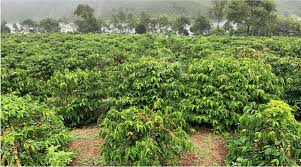
Farmers in coffee-growing regions such as Vietnam are seeing significant benefits from the implementation of plant health management strategies, with recent reports indicating a 15% increase in coffee yields. These improvements highlight the growing impact of scientific approaches and sustainable practices in enhancing crop productivity and supporting farmer livelihoods.
Plant health management focuses on maintaining optimal crop conditions through preventive measures, timely interventions, and integrated disease control. In coffee plantations, this includes monitoring plant growth, controlling pests and diseases, applying balanced nutrition, and employing best practices in irrigation and soil management. Such strategies help reduce crop losses, improve fruit quality, and increase overall production efficiency.
In Vietnam, one of the world’s largest coffee producers, farmers who have adopted comprehensive plant health programs have reported noticeable improvements in yield and bean quality. By combining modern agronomic practices with locally adapted techniques, they are able to manage common coffee diseases, such as coffee leaf rust, and address pest infestations more effectively. This has resulted in healthier plants and higher marketable yields.
Experts emphasize that plant health management is not just about increasing production—it also promotes sustainability. Proper crop management reduces the reliance on chemical inputs, lowers environmental impact, and preserves soil fertility for long-term productivity. Additionally, healthier plants are more resilient to changing climate conditions, helping farmers mitigate risks associated with drought, excessive rainfall, or temperature fluctuations.
The economic benefits of improved plant health are substantial. Higher yields translate into increased income for farmers and greater supply for local and international markets. Furthermore, consistent production of high-quality coffee enhances the competitiveness of Vietnam’s coffee industry globally, strengthening trade prospects and supporting rural economies.
Training and extension services have played a crucial role in implementing these strategies. Agricultural experts work closely with farmers to provide guidance on disease identification, pest control, pruning, fertilization, and other critical aspects of crop management. Knowledge sharing and practical demonstrations have accelerated adoption, allowing more farmers to experience the benefits of plant health management firsthand.
The success in Vietnam demonstrates how targeted agricultural practices can drive productivity gains while promoting sustainability. As coffee farmers continue to adopt plant health management strategies, the industry can look forward to more resilient crops, higher yields, and improved livelihoods for farming communities, ensuring that coffee production remains both economically viable and environmentally responsible.


 By
By











