

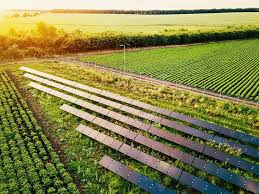
A new analysis highlights the urgent need to integrate renewable energy into agriculture to achieve sustainable food production and reduce the sector’s carbon footprint. The report emphasizes that transforming global food systems particularly in developing regions such as Africa will require a decisive shift from fossil fuels to clean energy solutions like solarpowered irrigation, biogas production, and renewable coldstorage systems.
Experts note that agriculture currently accounts for a significant share of global energy consumption and greenhouse gas emissions, much of it linked to dieselpowered machinery and irrigation systems. By adopting renewable energy technologies, farms can not only cut emissions but also lower operating costs, improve productivity, and ensure energy access in rural areas that often lack reliable electricity.
The article underscores the potential of solar irrigation as a gamechanger for smallholder farmers. Unlike diesel pumps, solarpowered systems provide affordable and consistent water supply without environmental damage. Similarly, biogas systems can convert farm waste into clean fuel for cooking and electricity, while solar coldstorage units can help reduce postharvest losses a major issue in tropical climates.
In Africa, where agriculture employs more than half of the population, integrating renewable energy could be a critical step toward achieving both food security and climate goals. Several pilot projects across Kenya, Nigeria, and Ghana have already demonstrated how renewablepowered farms can boost yields and resilience against climate shocks.
The report calls on governments, investors, and international organizations to accelerate funding and policy support for renewable energy in agriculture. This includes incentives for clean technologies, capacitybuilding programs, and infrastructure investments that connect energy and food systems.
By replacing diesel dependence with sustainable energy sources, the agricultural sector can move closer to a lowcarbon, resilient, and inclusive future one that ensures both economic growth and environmental balance.


 By
By











