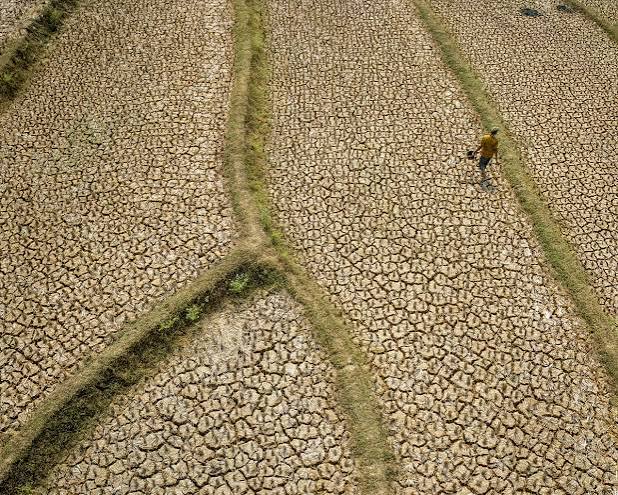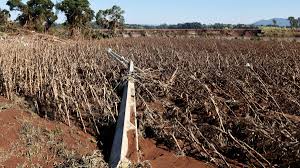
Heavy flooding in central Argentina has brought the country’s crucial planting season to a standstill, disrupting field operations across nearly 1.5 million hectares of farmland. The excessive rainfall, which has inundated major crop-growing provinces, is raising serious concerns for upcoming soybean and corn harvests—two of Argentina’s most important export commodities.
Farmers report that saturated soils and standing water have made it nearly impossible to operate machinery or proceed with scheduled sowing. With the planting window narrowing rapidly, the risk of lower yields is growing, potentially affecting global grain and oilseed supplies at a time when markets are already sensitive to climate-related disruptions.
Agronomists warn that delayed planting often results in weaker crop performance, as shorter growing cycles can reduce productivity and increase vulnerability to heat stress or early frost later in the season. Many growers are now weighing difficult decisions on whether to switch to shorter-duration varieties or scale back planting altogether.
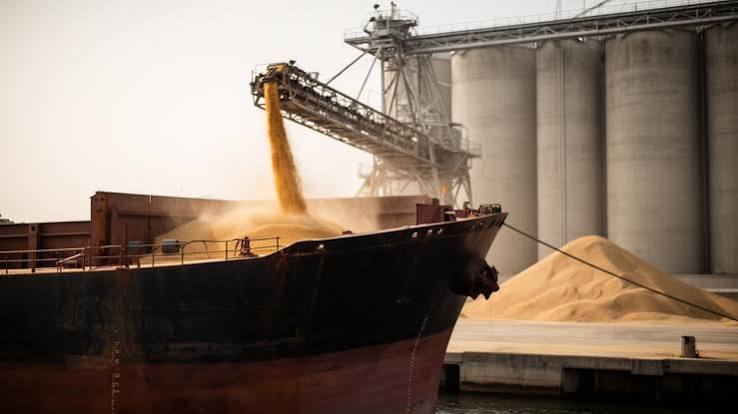
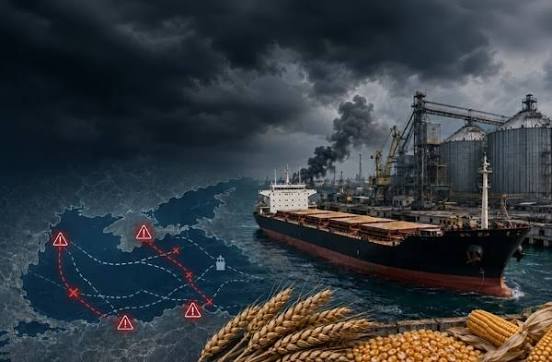
Argentina is one of the world’s leading exporters of soybeans, soymeal, and corn, and any production setback can have ripple effects across international markets. Analysts caution that prolonged flooding could limit export volumes and put upward pressure on global prices, depending on how quickly conditions improve.
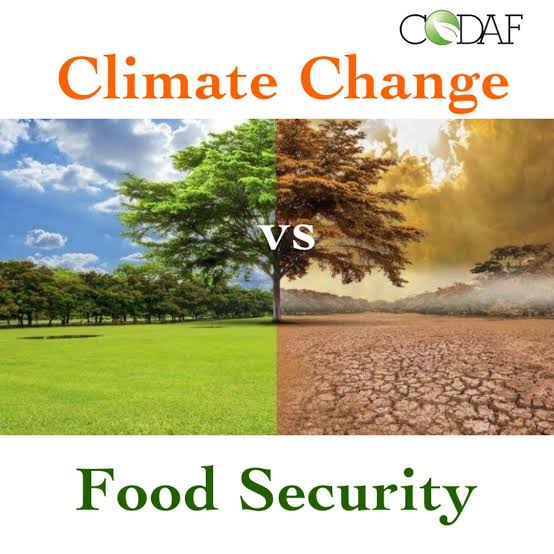
While authorities continue to monitor the situation, farmers remain concerned about the long-term impact of extreme weather patterns, which have become increasingly frequent in South America. The agricultural sector is calling for improved drainage systems, climate-resilient planning, and emergency support to mitigate the growing risks of climate-driven disruptions.


 By
By