

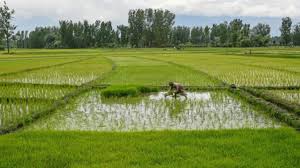
Efforts to promote sustainability in agriculture are gaining significant momentum worldwide, as farmers increasingly adopt climate-smart farming practices aimed at reducing environmental impact while maintaining productivity. Recent studies and policy reviews indicate that producers in many countries are integrating sustainable methods into their farming systems to improve soil health, conserve natural resources, and reduce greenhouse gas emissions.
International organizations such as the Food and Agriculture Organization have highlighted the growing adoption of climate-smart agriculture, which focuses on improving farm resilience, lowering environmental footprints, and sustaining crop yields under changing climate conditions. These practices are becoming more important as agriculture faces increasing pressure to produce more food while protecting ecosystems.
One of the key areas of progress is soil health management. Farmers are increasingly using techniques such as crop rotation, cover cropping, reduced tillage, and organic soil amendments. These practices help improve soil structure, enhance nutrient availability, and increase the soil’s ability to store carbon, contributing to both productivity and climate mitigation.
Another important trend is the adoption of precision agriculture technologies. Digital tools, satellite monitoring, and sensor-based systems allow farmers to apply fertilizers, pesticides, and water more efficiently. By optimizing input use, farmers can reduce waste, lower production costs, and minimize environmental pollution.
Water conservation has also become a major priority in sustainable agriculture. Advanced irrigation methods, including drip irrigation and smart irrigation systems, are helping farmers use water more efficiently, particularly in regions facing water scarcity.
Researchers emphasize that sustainable farming does not necessarily reduce productivity. In many cases, improved soil health and better resource management can lead to stable or even higher crop yields over time, while also protecting natural resources.
Governments and agricultural institutions in several countries are encouraging the transition toward sustainable practices through financial incentives, training programs, and policy support. These initiatives aim to help farmers adapt to climate challenges while ensuring long-term food security.
Experts believe that as awareness grows and technology becomes more accessible, sustainable farming practices will continue to expand globally, playing a crucial role in building a resilient and environmentally responsible agricultural system.


 By
By











