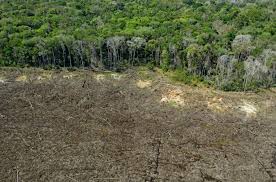
Brazil is facing mounting environmental pressure as soaring global demand for soybeans accelerates deforestation across the Amazon rainforest and the Cerrado savanna—two of the world’s most ecologically significant regions. Environmental groups and researchers warn that the rapid expansion of soybean cultivation is pushing these fragile ecosystems closer to irreversible damage.
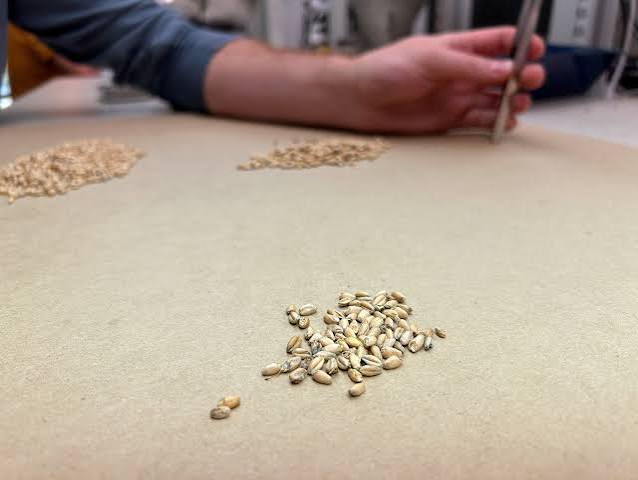
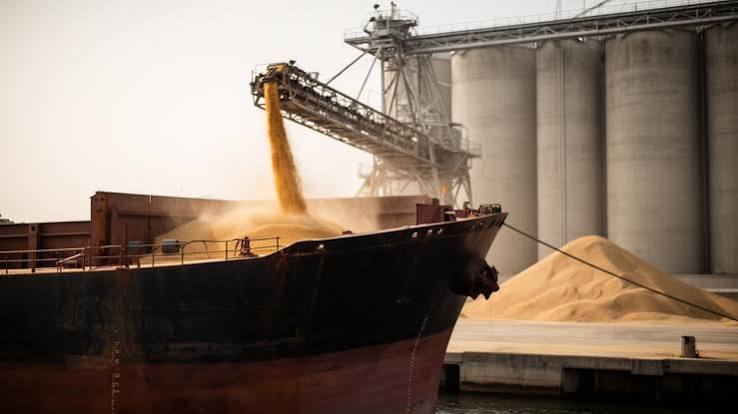
Driven largely by strong demand from the livestock and aquaculture industries, particularly in China, Brazil’s soy production has expanded at record speed. Although a small portion of soy is used for direct human consumption, the vast majority is processed into animal feed, powering booming global meat, poultry, and fish production.
Satellite imagery and recent government data show that soy-related land clearing is spreading deeper into the Cerrado’s native vegetation and encroaching on the edges of the Amazon. This expansion often follows a pattern: forests and savannas are first cleared for cattle grazing, then later converted into large-scale mechanized soy farms.
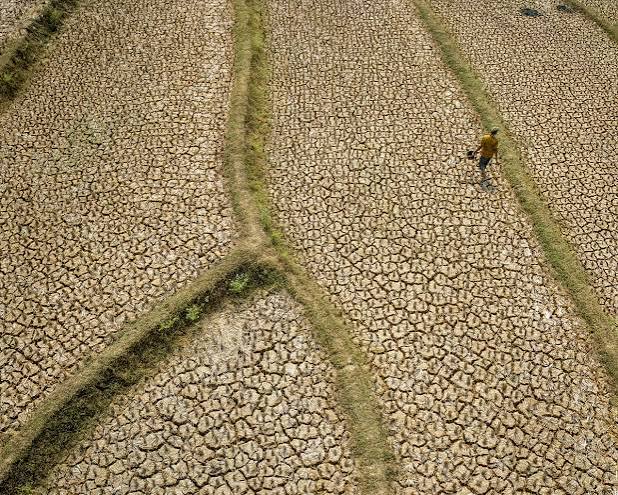
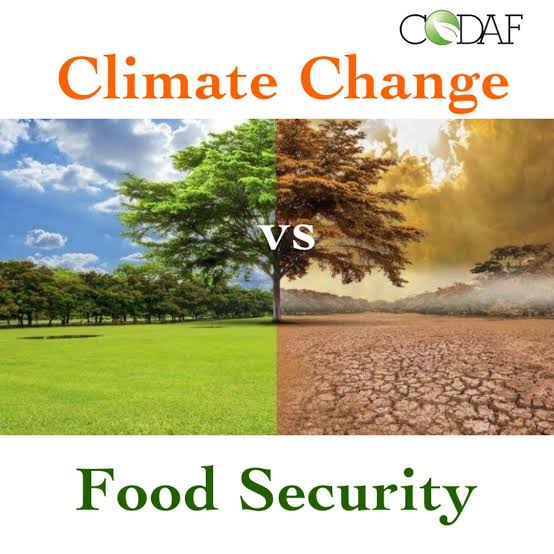
Environmental experts warn that continued deforestation threatens biodiversity, accelerates carbon emissions, and disrupts rainfall patterns across South America—impacts that could ultimately undermine the very agricultural productivity driving the expansion. The Cerrado, known as the “cradle of waters” for its crucial role in feeding major river systems, is particularly vulnerable.
Global buyers are increasingly under pressure to ensure deforestation-free supply chains, but enforcement remains inconsistent. While Brazil has made progress in some regions, loopholes, indirect land-use change, and inadequate monitoring systems continue to challenge conservation efforts.
With soy demand expected to remain strong, analysts stress the need for stricter land-use regulations, improved traceability, and greater incentives for sustainable production. Without decisive action, the environmental cost of feeding the world’s growing appetite for meat and fish could become even more severe.


 By
By