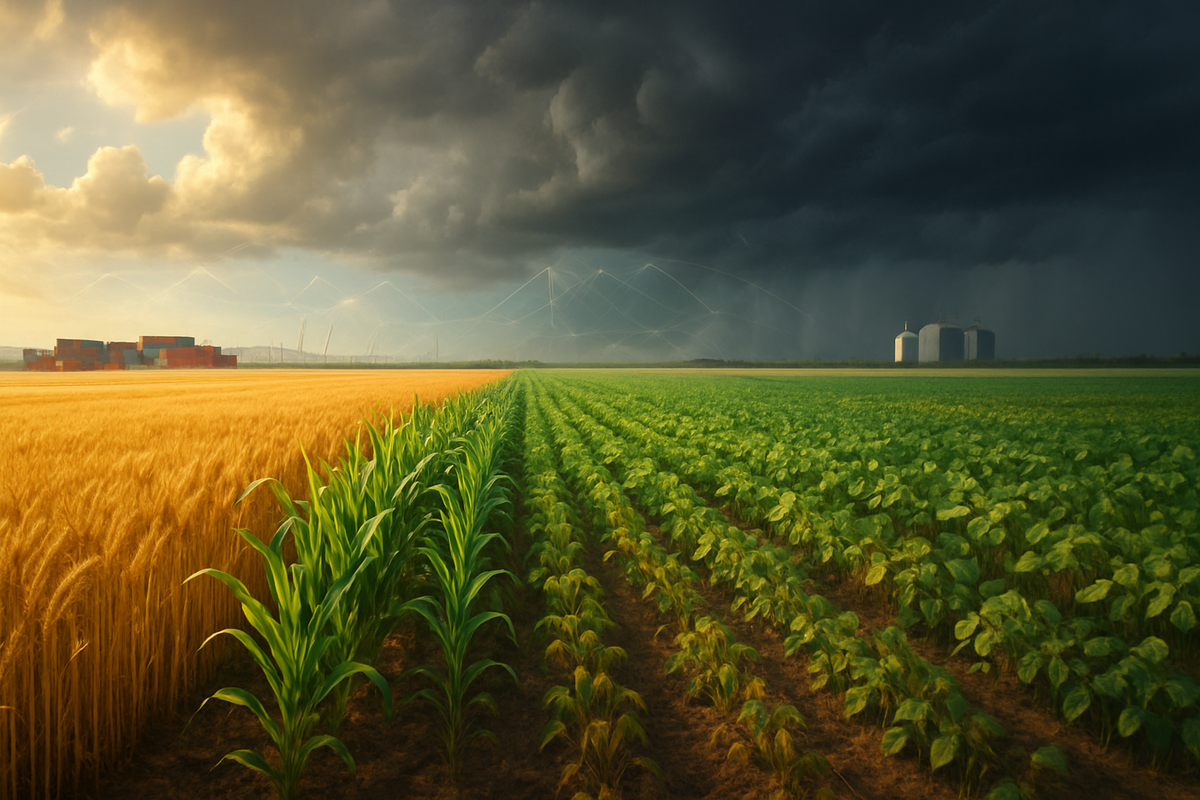
Climate change is emerging as one of the most disruptive forces shaping global agriculture, with extreme weather events causing unprecedented volatility in commodity markets. Rising temperatures, prolonged droughts, destructive floods, and unpredictable rainfall patterns are increasingly undermining crop yields and destabilizing supply chains across continents.
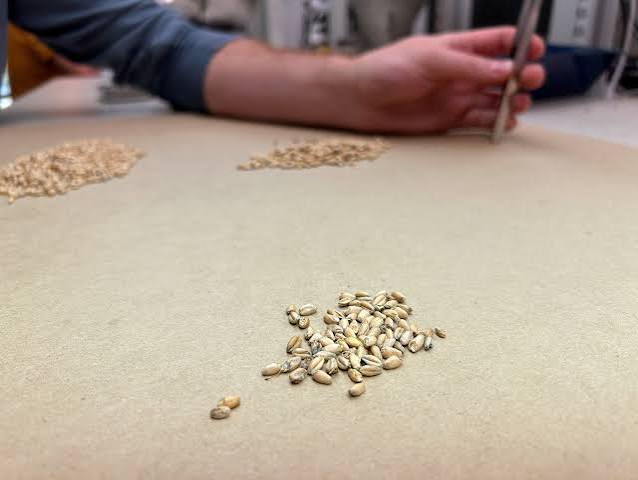
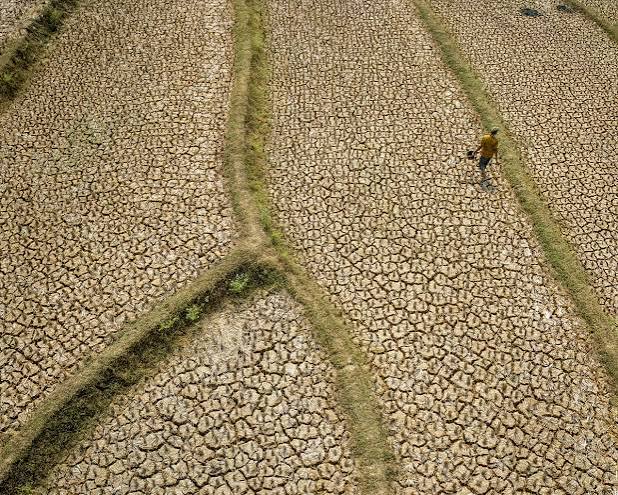
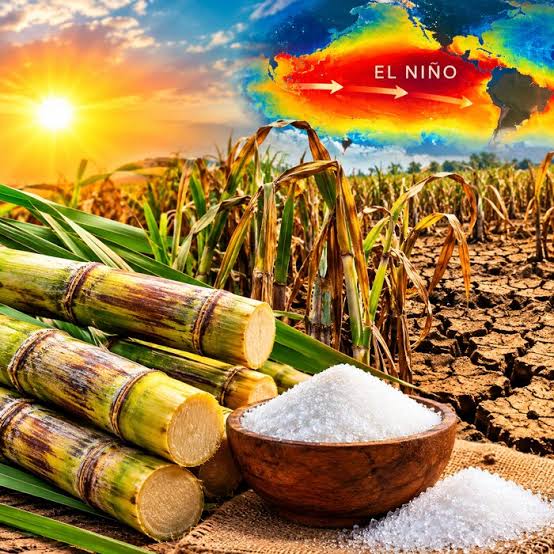
Farmers in both developed and developing nations are reporting greater uncertainty in planting and harvesting cycles. Heatwaves are reducing grain quality and shortening growing seasons, while persistent droughts are shrinking water availability for irrigation and stressing major crops such as wheat, maize, and soybeans. At the same time, intense rainfall and flooding are damaging fields, delaying planting, and increasing pest and disease outbreaks.
This growing climate variability is feeding directly into commodity markets, causing sharp fluctuations in prices and complicating forecasting for traders, processors, and policymakers. Analysts warn that as extreme events become more frequent, market volatility could rise further, affecting everything from food affordability to export revenues.
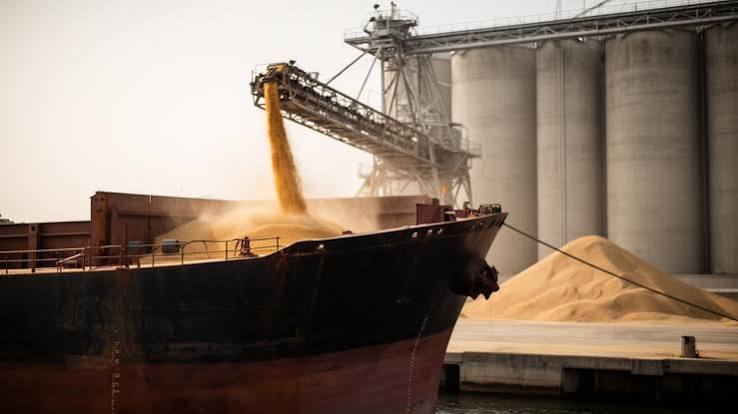
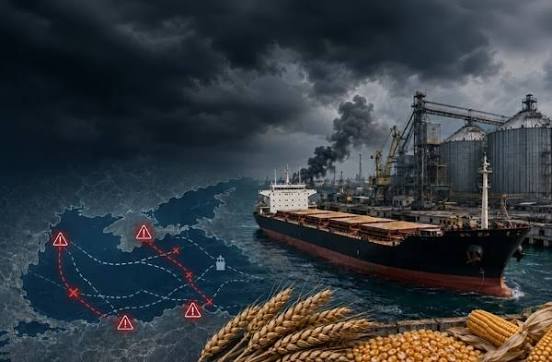
In addition to production shocks, climate-related disruptions are affecting global supply chains. Flooded transport routes, damaged storage facilities, and port delays are becoming more common, adding logistical challenges to an already strained global system.
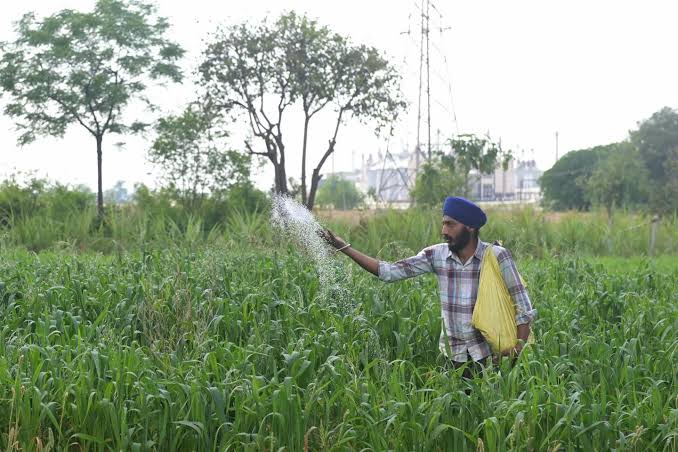
Experts argue that strengthening climate resilience in agriculture is now essential. Expanded irrigation networks, drought-tolerant crop varieties, improved early-warning systems, and climate-smart farming practices can help reduce risk. Policymakers are also being urged to invest in risk-management tools such as crop insurance, emergency support systems, and resilient infrastructure.
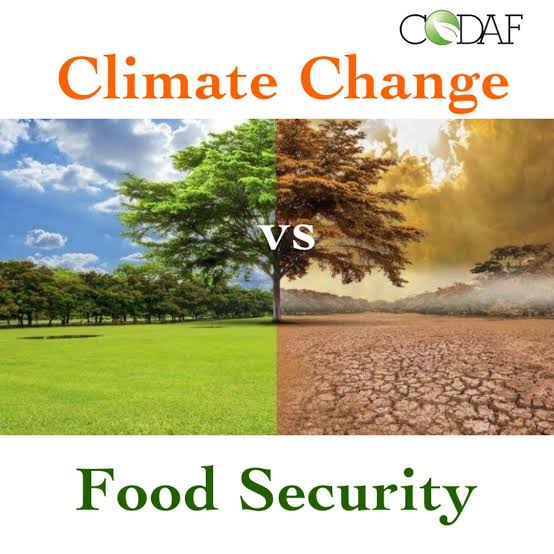
With climate change accelerating faster than many models predicted, the agricultural sector faces mounting pressure to adapt. The stakes are high: safeguarding global food security, farmer livelihoods, and stable commodity markets in an era of increasing climate uncertainty.

 By
By