Turkey is confronting a deepening water crisis that is putting significant pressure on agricultural production, especially in the country’s central and southern regions. Years of declining rainfall, rising temperatures, and over-extraction of groundwater have pushed water resources to critical levels, threatening both current crop yields and the future viability of Turkey’s farming sector.
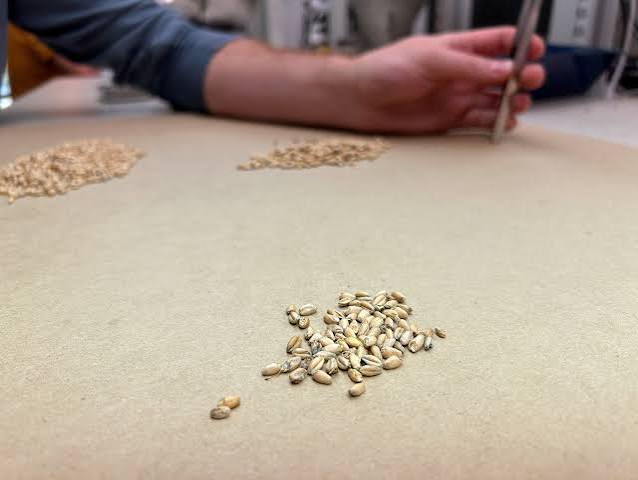
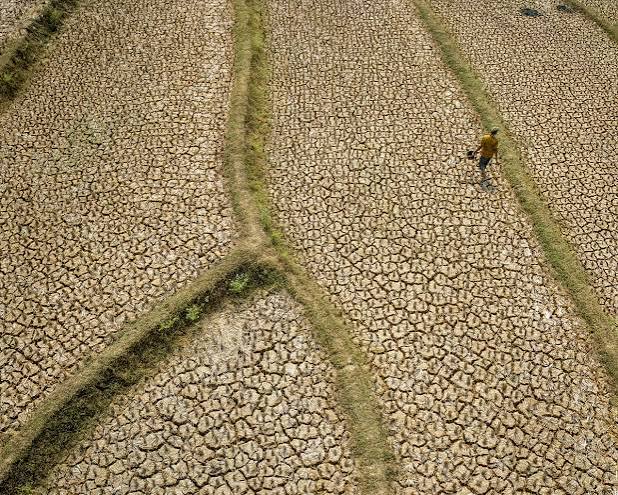
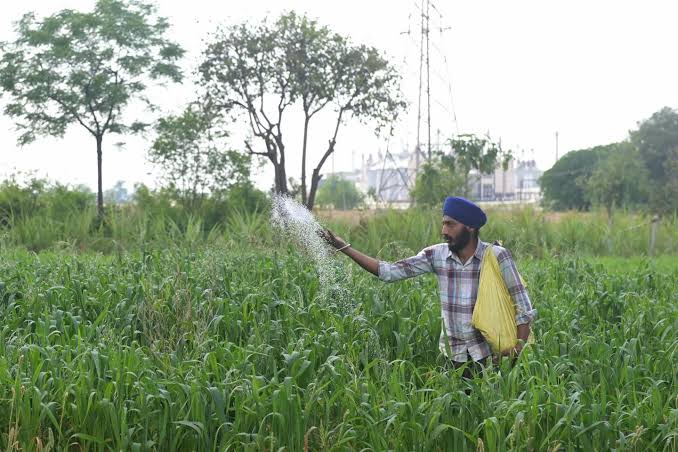
Farmers across provinces such as Konya, Adana, and Şanlıurfa report shrinking irrigation supplies, deteriorating soil moisture, and increasing crop failures. Staple crops— including wheat, barley, vegetables, and various fruits—are experiencing reduced productivity as drought conditions intensify. In highly irrigated regions, farmers are being forced to scale back planting or switch to less water-intensive crops.
Scientists warn that the crisis is not new but the cumulative impact of decades-long water mismanagement, rapid urbanization, and climate stress. Many of Turkey’s lakes, once vital ecological and agricultural lifelines, have partially or completely dried up due to evaporation, excessive groundwater pumping, and diminishing inflows. This loss of natural water reserves is raising red flags about long-term sustainability.
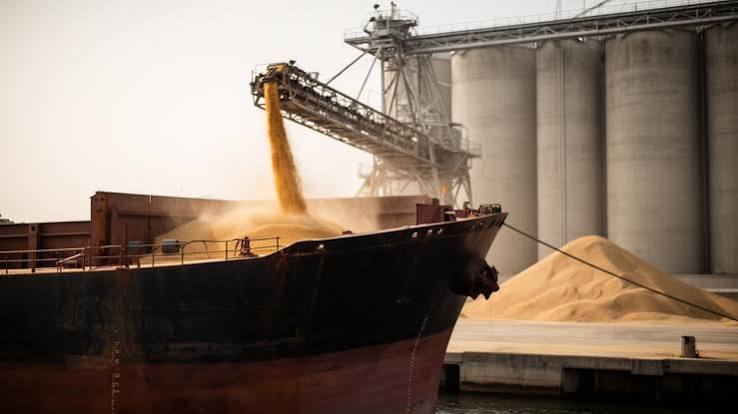
The country’s agricultural output, a critical pillar of its economy and food security, is increasingly vulnerable. Reduced yields are already affecting domestic markets and export capacities, while rural communities grapple with economic strain and mounting uncertainty.
Experts emphasize the urgent need for integrated water-resource planning, investment in modern irrigation technologies, stronger regulatory oversight, and a transition to climate-resilient farming practices. Without decisive action, Turkey risks facing deeper agricultural declines and long-lasting ecological damage.
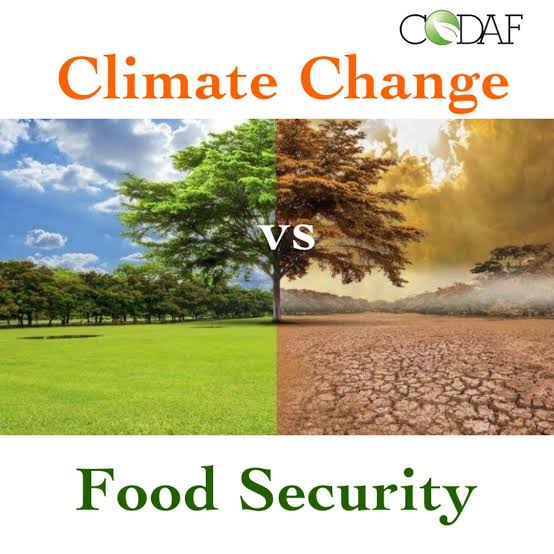
The growing crisis serves as a stark reminder of how climate change and long-term resource depletion are converging to challenge one of the region’s most important agricultural producers.


 By
By