India is steadily positioning itself as a global centre for natural farming, with Prime Minister Narendra Modi highlighting the country’s strong progress in sustainable agriculture and farmer-centric reforms. Speaking at a recent event focused on agricultural transformation, the Prime Minister said that India is moving with clear targets and long-term planning to make natural farming a mainstream practice across the nation.
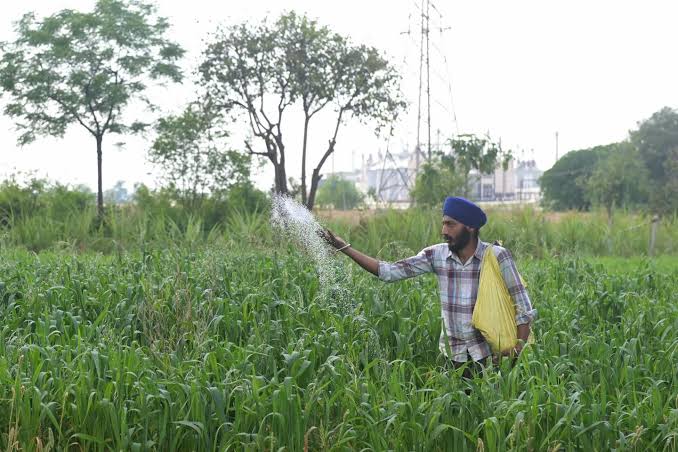
According to PM Modi, the government has been consistently working to reduce farmers’ dependency on chemical inputs and promote methods that are environmentally friendly, cost-effective, and beneficial for soil health. He noted that natural farming is not just an agricultural technique, but a pathway to restoring ecological balance while improving farm profitability. Efforts such as promoting bio-inputs, supporting indigenous seed varieties, and encouraging water-efficient farming systems are part of this broader strategy.
The Prime Minister also pointed out the significant growth in India’s agricultural export sector. In the last 11 years, the country’s agri exports have nearly doubled, reflecting improved productivity, diversification, and rising global trust in Indian farm produce. He stated that this growth is a strong indicator of the sector’s resilience and its ability to tap into international markets, especially for high-quality, chemical-free products.
Several states have already begun adopting natural farming at a larger scale, with thousands of farmers transitioning to zero-budget farming, organic inputs, and regenerative practices. The central government is supporting these initiatives through training programmes, demonstration farms, and financial incentives to encourage wider adoption. Experts believe that if these measures continue with the same momentum, India could soon become a model for sustainable agriculture in developing economies.
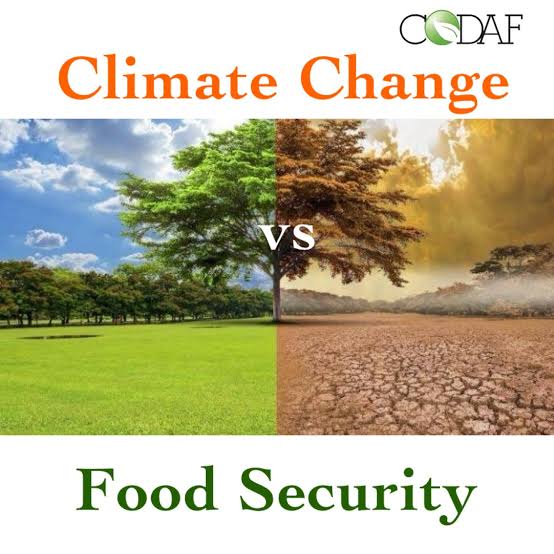
PM Modi emphasised that consumers worldwide are increasingly demanding clean, residue-free food, creating a huge opportunity for Indian farmers. By promoting natural farming, India aims to meet this demand while securing better prices for producers. He added that natural farming will play a crucial role in ensuring food security, environmental conservation, and long-term agricultural stability.
With a combination of policy support, technological interventions, and growing farmer awareness, India’s ambition to become a global hub for natural farming appears more achievable than ever. The government’s vision is to build an agricultural ecosystem that protects nature, empowers farmers, and strengthens India’s presence in international markets through sustainable and high-quality produce.


 By