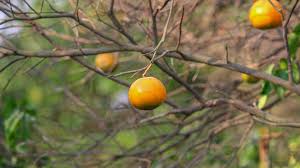
South Africa’s citrus sector has received a significant boost after the United States lifted tariffs on South African oranges, opening the door for expanded market access and stronger export growth. Industry leaders and government officials have welcomed the decision, saying it will enhance competitiveness, support farmers, and reinforce South Africa’s position as one of the world’s leading citrus exporters.
The lifting of tariffs is expected to provide immediate commercial benefits. Growers exporting oranges to the U.S. will now face lower costs and improved price margins, making South African fruit more attractive in a market known for its high quality standards and strong consumer demand. Exporters say the decision removes a major barrier that had constrained shipment volumes and profitability in recent seasons.
South Africa is already a top global supplier of citrus—particularly oranges, lemons, and mandarins—shipping to more than 100 countries each year. The U.S. market, however, has remained a strategic priority due to its size, stability, and premium prices. With tariffs now removed, industry analysts expect export volumes to increase, particularly during the Southern Hemisphere supply window when South African fruit faces limited competition.
The Citrus Growers’ Association has praised the move, noting that it will support thousands of jobs across the citrus value chain, from farm labour and packaging to transport and logistics. The organisation also highlighted the broader economic benefits, as agriculture continues to play a central role in rural growth and foreign exchange earnings.
Trade officials say the development reflects strengthening agricultural relations between South Africa and the United States. It also comes at a time when global citrus markets are navigating challenges such as rising input costs, plant disease pressures, and shifting consumer preferences. Improved access to the U.S. market will help South African producers better navigate these uncertainties and diversify their export destinations.
With the tariff barrier removed, stakeholders are optimistic that South Africa will be able to increase its share of the U.S. citrus market in the coming years. The industry is now focusing on scaling up shipments, maintaining strict phytosanitary standards, and ensuring consistent supply to meet growing demand.
The decision marks a positive milestone for South Africa’s citrus sector and is expected to deliver long-term gains for farmers, exporters, and the national economy.

 By
By