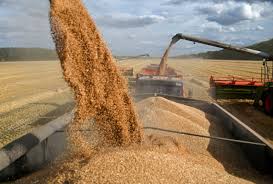
Global wheat production in 2025 is projected to reach an unprecedented level of around 819 million tonnes, marking a 2.5% increase from 2024 and setting a new all-time record. According to early forecasts, this surge in output reflects a combination of favourable growing conditions, higher yields, and expanded planting across several major producing regions.
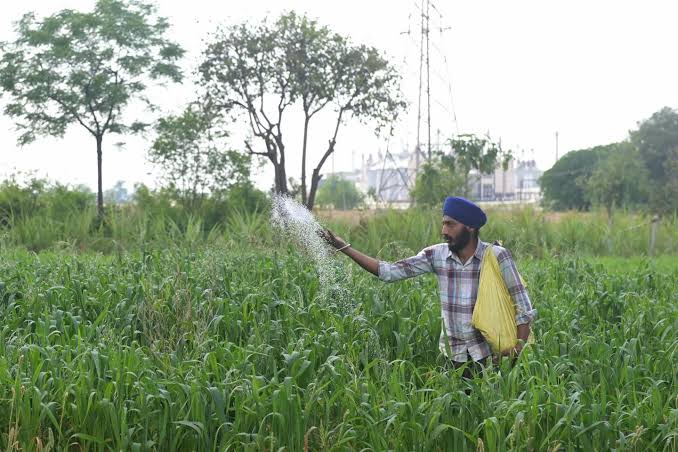
The European Union, India, and Russia are expected to account for the bulk of the gains. In the EU, improved weather patterns and increased sown area are boosting yield potential. India continues to expand its wheat acreage in response to strong domestic demand and government incentives, while Russia’s steady investment in crop technology and favourable spring conditions are pushing its production outlook higher. Together, these regions are projected to more than compensate for production declines in parts of Asia where rainfall deficits have hindered crop development.
Despite weather-related setbacks in some countries, global supplies are expected to remain comfortable. Analysts note that favourable temperature profiles during key growth stages have significantly improved yield expectations in many northern hemisphere producers. Meanwhile, technological adoption — including improved seed varieties and better soil management — has continued to strengthen output across the sector.
Wheat utilization is also forecast to grow. Total consumption, spanning food, feed, and industrial uses, is expected to rise to approximately 808.3 million tonnes in the 2025/26 season. Much of this increase is driven by higher food consumption in developing economies, population growth, and steady demand from the livestock sector. While feed use is projected to remain relatively stable in some regions, competitive pricing and ample supplies may encourage additional use in areas where alternative grains are in shorter supply.
Market watchers say the widening gap between production and utilization could lead to a modest buildup in global wheat inventories. If realized, these stock increases may help buffer markets against supply shocks later in the season, particularly in regions prone to weather volatility.
However, analysts caution that several uncertainties remain. Weather fluctuations, geopolitical tensions, and shifting trade policies could still influence final outcomes as the season progresses. Nonetheless, the 2025 forecast points to a broadly favourable global supply outlook — offering reassurance to import-dependent nations and contributing to greater stability in international grain markets.


 By
By