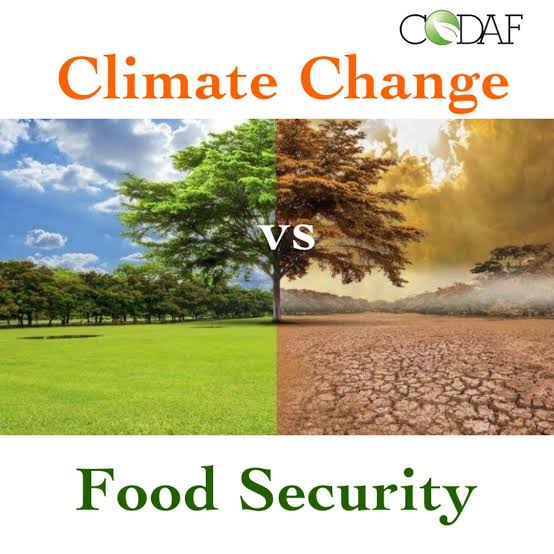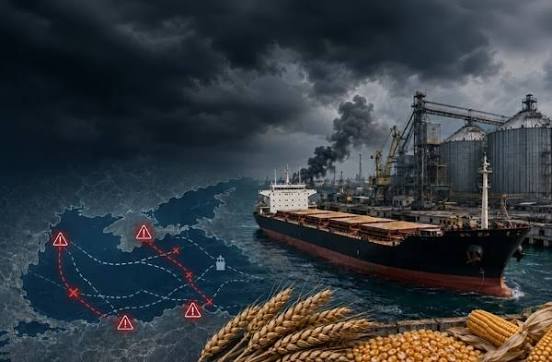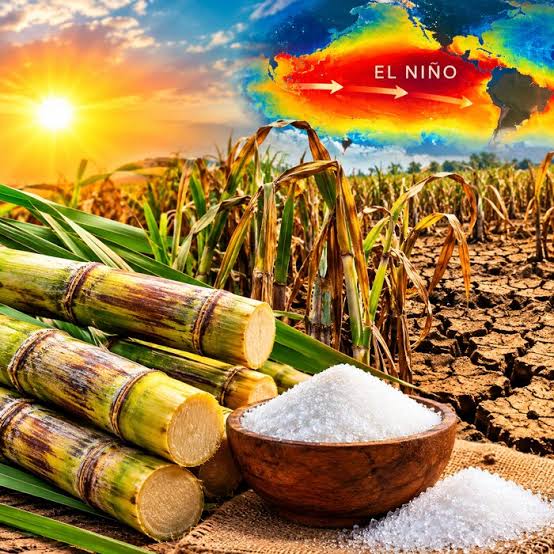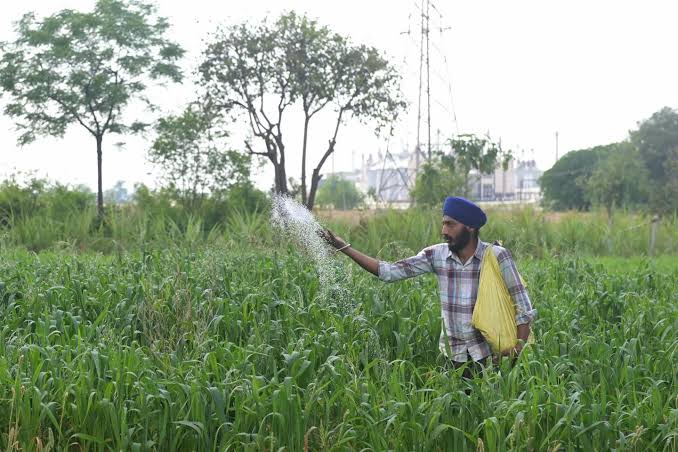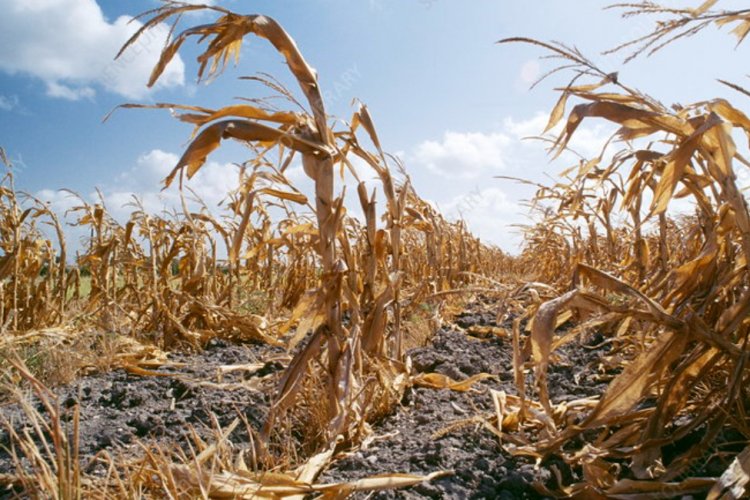
picture of the escalating pressures on food systems worldwide as floods, storms, droughts, and other climate-driven extremes intensify in both frequency and severity.
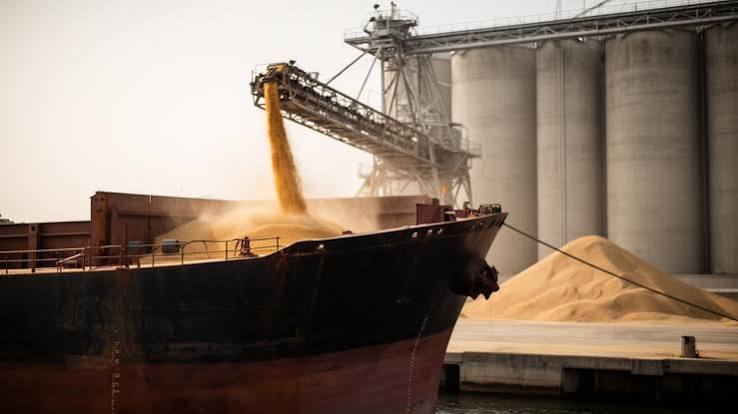
The report indicates that over the 33-year period, disasters destroyed billions of tonnes of essential food commodities — including cereals, fruits, vegetables, meat, and dairy products. These losses have disrupted supply chains, undermined food security, and posed serious risks to global nutrition. In many affected regions, farmers have faced repeated setbacks, eroding their income stability and threatening the livelihoods of rural communities that depend heavily on agriculture.
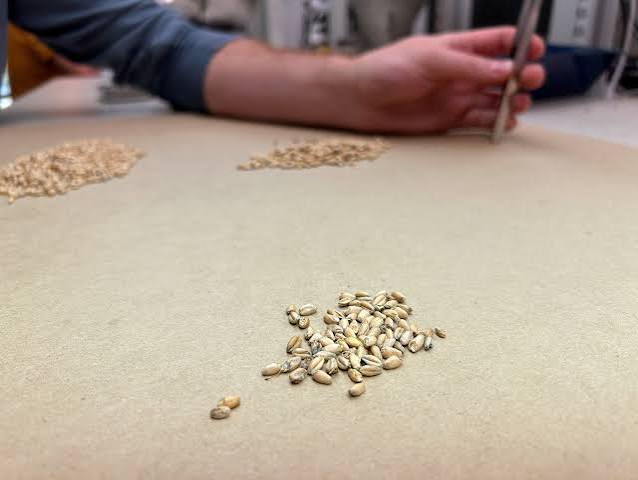
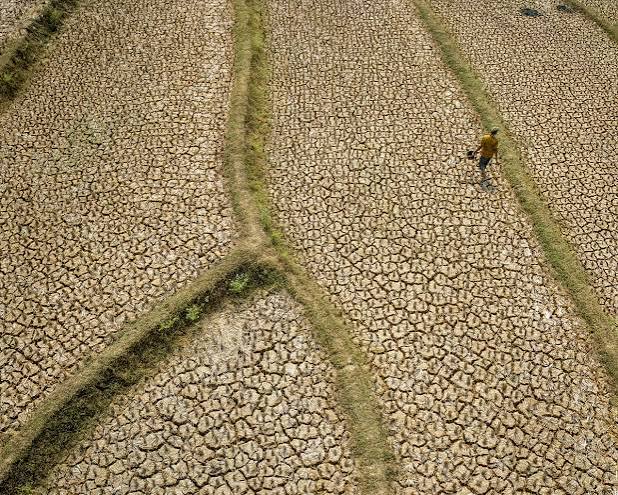
Cereals—such as wheat, rice, and maize—were hit hardest, with droughts drying up yields in large producing regions and floods washing away harvests at critical times. Fruit and vegetable production suffered severe damage from storms, heatwaves, and erratic rainfall, leading to long-term declines in availability and quality. Meanwhile, livestock and dairy sectors faced widespread losses due to extreme heat, water shortages, damaged grazing lands, and compromised animal health.
The cumulative impacts of these events have placed growing strain on global food systems. Food price volatility, supply disruptions, and reduced dietary diversity have become increasingly common in disaster-prone regions, amplifying risks for vulnerable populations. The report emphasizes that without stronger resilience measures, the economic and social toll on agriculture is likely to rise even further.
At the same time, the findings highlight a crucial area of progress: the expanding use of digital technologies for disaster risk reduction. Tools such as satellite-based remote sensing, advanced early-warning systems, predictive climate analytics, and integrated data platforms are becoming essential components of modern agricultural management.
Remote sensing now enables more precise monitoring of crop conditions, water stress, and storm intensity. Early-warning systems allow farmers and governments to prepare days or even weeks ahead of extreme events, reducing losses through timely interventions. Digital platforms are also improving coordination in disaster response, enabling faster distribution of resources and better-informed recovery planning.
The report concludes that scaling these technologies will be vital as climate extremes continue to intensify. While disasters will remain a major challenge for global agriculture, improved digital tools, stronger preparedness, and climate-resilient practices can help protect both food production and rural livelihoods in the years ahead.


 By
By