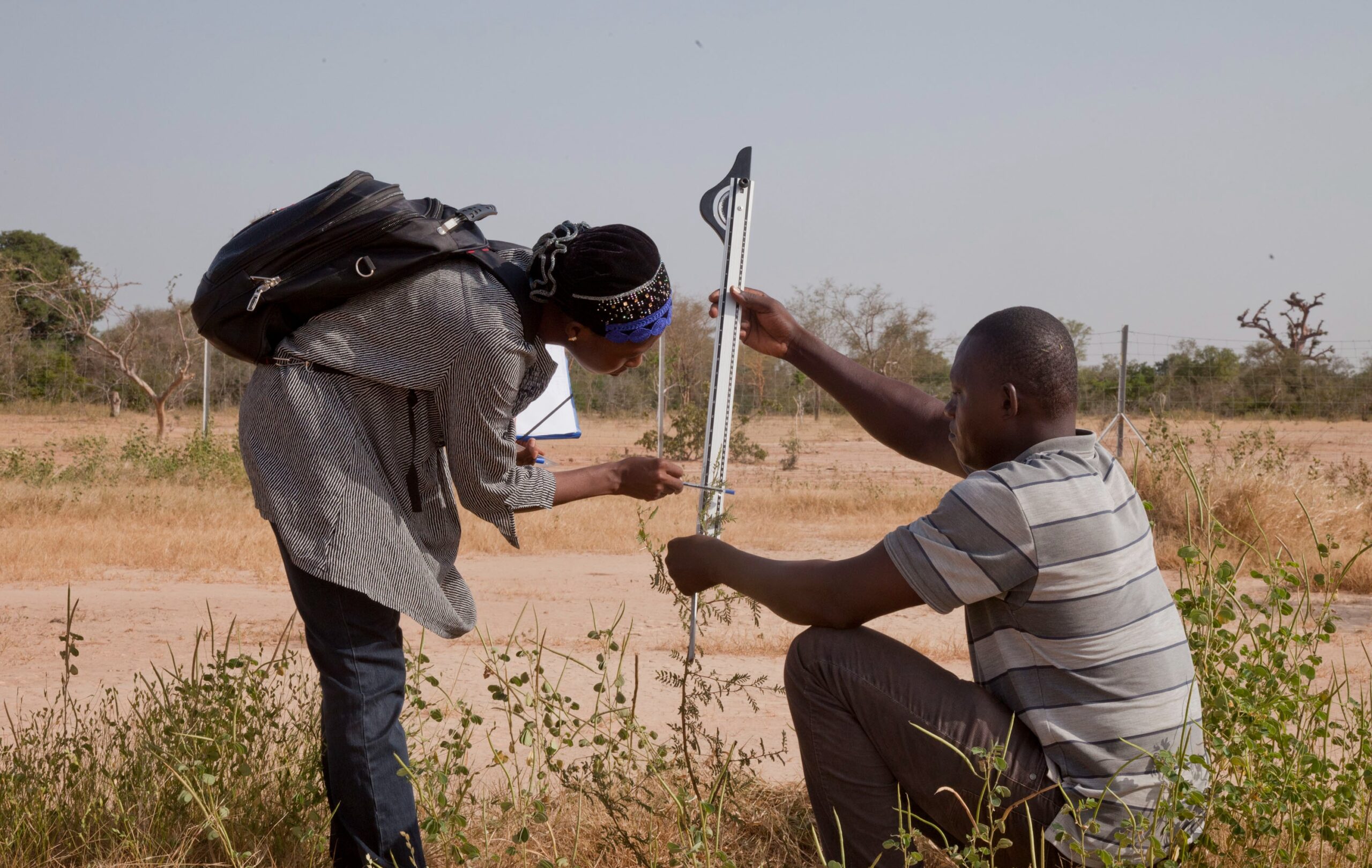
A new wave of scientific analysis has highlighted a significant sustainability challenge facing global agriculture: the steady decline of crop diversity. According to recent findings, just nine crops now make up approximately 66 percent of global crop production, signaling a dramatic shift toward crop uniformity and raising fresh concerns among food security and environmental experts.
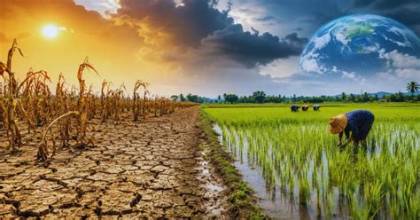
Researchers warn that this narrowing of agricultural diversity poses a series of long-term risks. As production becomes concentrated in a limited number of staple crops, food systems become more vulnerable to pests, diseases, and climate-related shocks. A single extreme weather event or pathogen outbreak could have far-reaching consequences when such a large share of global calories depends on a handful of species.
The decline is also closely tied to the loss of native crop varieties—plants that have been cultivated for generations and adapted to specific ecosystems. These varieties often carry genetic traits that confer resilience, such as drought tolerance or resistance to local pests. As traditional cropping systems disappear, experts argue that the world is losing not only biological richness but also vital tools for future climate adaptation.
The World Economic Forum and agricultural scientists emphasize that preserving crop diversity is essential for maintaining ecological health, nutritional quality, and food sovereignty. Diets built on a narrow set of crops can limit micronutrient intake, while reduced genetic variability constrains the ability of farmers and plant breeders to innovate in the face of environmental stress.
However, efforts to reverse the trend are gaining traction. National seed banks, community-led conservation initiatives, and programs promoting indigenous crops are expanding in many regions. Policymakers are increasingly recognizing the value of diversified farming landscapes, which support soil health, improve ecosystem services, and strengthen rural livelihoods.
Experts call for coordinated global action, urging investment in research, incentives for diversified agriculture, and stronger protection of genetic resources. As climate impacts intensify, they argue that safeguarding crop diversity is not only an environmental priority but a cornerstone of resilient, future-ready food systems.

 By
By