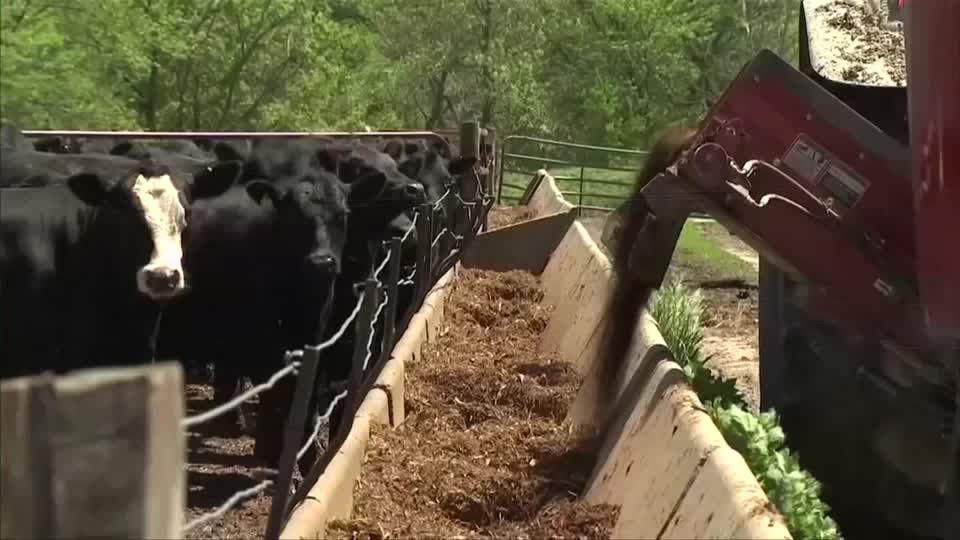
The U.S. government has announced a $12 billion aid package aimed at supporting farmers facing economic pressures from trade disruptions and rising production costs. The program targets row crop producers, including corn, soybeans, and wheat farmers, who have been particularly affected by tariffs, export restrictions, and fluctuating global demand.
Agriculture Secretary emphasized that the assistance is designed to stabilize farm incomes, ensure the continued viability of U.S. agriculture, and help farmers manage the uncertainty created by ongoing trade conflicts with key partners. The package includes direct payments, low-interest loans, and funding for risk management programs, allowing farmers to cover operational costs and recover from revenue shortfalls.
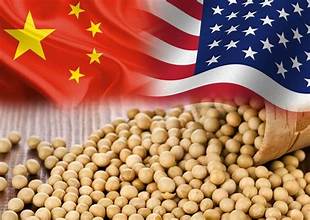
The announcement comes amid a challenging period for U.S. agriculture. Trade tensions with major markets, including China and the European Union, have limited export opportunities for several staple crops, while rising input costs—such as fertilizers, fuel, and labor—have increased financial pressures on farmers. Analysts note that without targeted government support, many producers would face severe liquidity issues, potentially affecting planting decisions and long-term sustainability.
Farm groups have largely welcomed the relief package, describing it as a necessary step to preserve rural livelihoods and prevent further economic strain on farming communities. However, some advocates have called for broader reforms, including measures to enhance market access, strengthen crop insurance programs, and promote sustainable farming practices that can reduce dependence on volatile global markets.
Economists predict that the $12 billion package could provide short-term stability for row crop markets and reassure investors and lenders about the sector’s resilience. Officials stress that the aid is part of a broader strategy to maintain U.S. competitiveness in global agriculture while addressing the immediate challenges posed by international trade uncertainties.
As implementation begins, attention will focus on the speed and efficiency of distribution, the eligibility criteria for aid, and how the measures influence planting decisions and market dynamics in the upcoming growing season.

 By
By