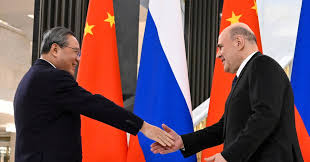
China has signaled its intention to expand agricultural cooperation with Russia, reflecting a broader effort to strengthen strategic ties across food, energy, and trade sectors. The announcement follows high-level discussions between officials from both countries, who emphasized the importance of joint initiatives to ensure food security, enhance supply chains, and support mutual economic growth.
Agricultural collaboration is expected to focus on technology transfer, modern farming practices, and increased trade in key commodities such as grains, soybeans, and livestock products. China’s willingness to deepen engagement comes amid growing global demand for food and energy, as well as a strategic interest in securing stable sources of agricultural supply. Russia, with its vast arable land and established farming infrastructure, is seen as a key partner in meeting China’s long-term food security goals.
Officials highlighted potential initiatives, including joint research programs, investment in agribusiness, and development of sustainable production techniques to boost yields and efficiency. There are also plans to facilitate greater trade flows, with both countries exploring logistical solutions for cross-border exports and imports. Analysts note that expanding agricultural cooperation could help both nations mitigate the impact of global market volatility and provide more predictable access to essential commodities.
The broader partnership encompasses energy, infrastructure, and technology sectors, underscoring a shared interest in strategic economic alignment. Experts suggest that closer ties between China and Russia in agriculture and related industries could influence global commodity markets, especially as Western countries maintain sanctions and trade restrictions against Russia.
Industry groups in both countries have welcomed the developments, citing opportunities for innovation, investment, and rural development. Government authorities are expected to establish joint committees to coordinate projects, monitor outcomes, and promote ongoing dialogue between producers, traders, and policymakers.
As the partnership unfolds, attention will focus on the tangible outcomes in agricultural trade, technology adoption, and production capacity. Observers say that the China-Russia collaboration could become a model for large-scale bilateral cooperation in food security and economic resilience in the coming years.

 By
By