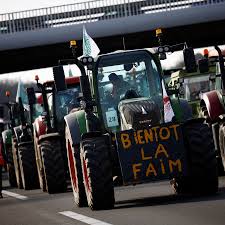
Massive protests by French farmers are creating fresh obstacles for the long-awaited EU–Mercosur trade agreement, potentially delaying its implementation. The agreement, which would open access to a market of nearly 780 million consumers across Europe and South America, has been under negotiation for years. However, ongoing demonstrations highlight the economic anxieties of farmers and their demands for stronger protections against inexpensive imports.
Farmers in France have staged roadblocks, highway disruptions, and public demonstrations to voice concerns that the deal could undercut domestic agriculture. They argue that Mercosur countries, particularly Brazil and Argentina, produce beef, soy, and other commodities at lower costs, often under less stringent environmental and animal welfare regulations. French agricultural unions insist that without safeguards, local producers could face unfair competition, threatening both incomes and rural livelihoods.
The protests are straining political negotiations within the European Union. French officials, key stakeholders in the bloc, are under pressure to balance international trade ambitions with domestic agricultural interests. EU negotiators acknowledge that securing French support is critical for ratification, making the farmers’ opposition a potential stumbling block for the agreement.
While EU leaders emphasize the economic benefits of the trade deal—including expanded exports, investment opportunities, and strengthened relations with South American partners—farmers’ protests underscore the social and political costs of such agreements. Lawmakers now face the challenge of ensuring protections for vulnerable sectors while advancing broader economic objectives.
As roadblocks continue and tensions rise, the timeline for finalizing the EU–Mercosur agreement remains uncertain. Observers say the resolution will likely depend on whether policymakers can address farmers’ demands for stronger import safeguards and financial support, balancing trade liberalization with the survival of European agriculture.

 By
By