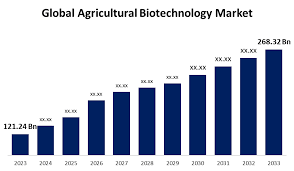
A recent market report projects significant growth for the global biomanufacturing sector in agriculture, signaling expanding opportunities for sustainable and biological farming solutions. The forecast highlights increasing adoption of biotechnologies, including biofertilizers, biopesticides, and microbial inoculants, as farmers and agribusinesses seek eco-friendly alternatives to conventional chemical inputs.
According to the report, rising awareness of environmental sustainability, coupled with the need to improve crop yields and soil health, is driving demand for biologically based agricultural products. Biomanufacturing enables the large-scale production of these solutions, offering a scalable approach to enhancing productivity while reducing the ecological footprint of farming practices.
The market analysis identifies key regions, including North America, Europe, and Asia-Pacific, as major growth drivers due to supportive government policies, research investments, and the presence of leading agritech companies. Additionally, emerging economies are increasingly adopting biomanufactured agricultural inputs to boost food security and meet growing demand for safe, high-quality produce.
Industry experts emphasize that technological advancements in microbial engineering, fermentation processes, and formulation techniques are expanding the range and effectiveness of biomanufactured products. This progress is expected to accelerate market adoption, offering farmers more efficient, targeted, and sustainable solutions for crop protection, nutrient management, and soil enhancement.
The report also notes challenges, such as regulatory hurdles, production costs, and the need for farmer education on biological alternatives. Addressing these issues will be critical for ensuring continued growth and market penetration.
Overall, the forecast underscores a strong outlook for biomanufacturing in agriculture, driven by the dual pressures of environmental sustainability and the global demand for higher crop productivity. Companies and stakeholders that invest in innovation and market expansion are likely to benefit from the sector’s rapid development through 2031.


 By
By