China is rapidly establishing itself as a major force in the global luxury food market, with significant growth in the production and export of high-value agricultural products such as caviar, cherries, and foie gras. This transformation reflects a strategic shift in the country’s agricultural priorities, supported by targeted government policies, technological investment, and a focus on premium value creation.
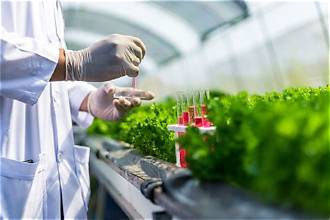
Over the past decade, China has invested heavily in modern aquaculture, advanced horticulture, and high-end livestock farming. In the caviar segment, Chinese producers have become some of the world’s largest suppliers, leveraging controlled aquaculture systems, scientific breeding techniques, and stringent quality standards. Chinese caviar is now exported to key international markets, competing directly with traditionally dominant producers in Europe.
Similarly, China’s cherry production has expanded rapidly, driven by improved cold-chain infrastructure, protected cultivation, and varietal innovation. Premium cherries from regions such as Shandong and Xinjiang are gaining acceptance in both domestic and export markets, supported by strong branding and traceability systems that appeal to high-end consumers.
The foie gras segment has also seen notable growth, with China emerging as a leading global producer. Investments in processing facilities, compliance with international food safety standards, and efficient supply chains have enabled Chinese producers to serve luxury hospitality and gourmet markets worldwide.
This rise in luxury food production is closely linked to government-backed initiatives aimed at agricultural modernization, rural income enhancement, and export diversification. By shifting focus from volume-driven commodity production to high-margin specialty foods, China is repositioning its agri-food sector to generate greater economic value and global influence.
The expansion is also reshaping international agricultural trade dynamics. China’s growing presence in premium food categories is increasing competition, influencing pricing structures, and prompting traditional producers to innovate and differentiate further. At the same time, rising domestic demand from China’s affluent consumer base is reinforcing investments in quality, sustainability, and food safety.
As China continues to integrate technology, scale, and policy support into its agricultural strategy, its role in the global luxury food market is expected to strengthen further. This evolution signals a broader shift in global agri-food value chains, where emerging economies are increasingly competing at the premium end of the market, not just as consumers, but as leading producers and exporters.

 By
By