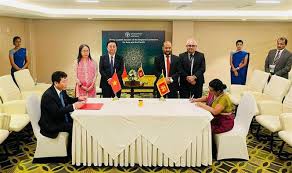
Vietnam and Sri Lanka have taken steps to strengthen bilateral cooperation in agriculture, trade, and tourism through a series of strategic discussions aimed at promoting shared economic development. The renewed engagement reflects both countries’ intent to diversify partnerships and leverage complementary strengths in key sectors.
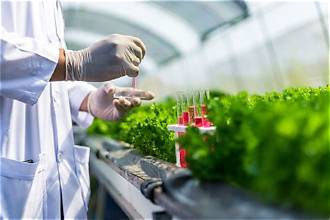
Agriculture has emerged as a central pillar of the dialogue. Vietnam, a major global exporter of rice, coffee, pepper, and seafood, brings extensive experience in large-scale production, value addition, and export-oriented farming. Sri Lanka, known for its tea, spices, coconut products, and emerging agri-processing sector, is seeking to enhance productivity, improve supply chains, and expand access to international markets. Through collaboration, both countries aim to exchange expertise in crop management, processing technologies, and sustainable farming practices.
Trade cooperation is also a key focus. Officials from both sides have discussed reducing barriers, improving logistics connectivity, and encouraging private-sector partnerships. Strengthening trade links is expected to increase the flow of agricultural commodities and value-added products, while supporting small and medium-sized enterprises in both economies. There is also interest in exploring joint ventures and knowledge-sharing in food processing, packaging, and quality standards to improve global competitiveness.
Tourism has been identified as a complementary area of collaboration, particularly agri-tourism and cultural tourism. By linking agricultural development with tourism initiatives, both countries aim to create new income streams for rural communities while promoting cultural exchange and people-to-people ties. Cooperation in tourism promotion and investment could further support job creation and regional development.
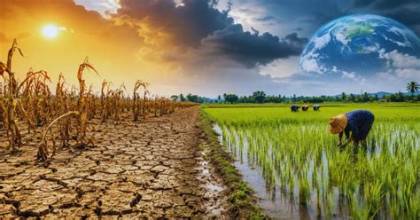
The discussions also emphasized the importance of sustainability and resilience. Climate change, supply chain disruptions, and global market volatility have highlighted the need for adaptive agricultural systems. Vietnam and Sri Lanka have expressed interest in cooperating on climate-smart agriculture, research, and technology adoption to address these shared challenges.
Officials described the engagement as a foundation for long-term partnership based on mutual benefit and shared development goals. As talks continue, concrete agreements and pilot projects are expected to follow, strengthening economic ties and reinforcing agriculture and trade as key drivers of growth for both Vietnam and Sri Lanka.

 By
By