Global agricultural markets in 2025 were shaped by a challenging combination of trade tensions, persistent droughts, and rising production costs, according to a year-end review of the sector. Together, these pressures influenced food prices, farmer incomes, and supply chain stability across major producing and importing regions.
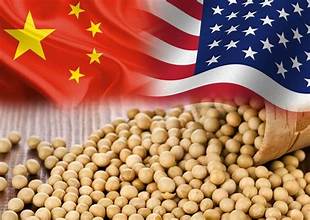
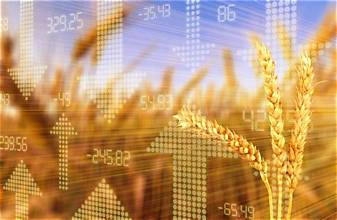
Trade policy played a significant role throughout the year. New and continuing tariffs on agricultural commodities altered export flows and created uncertainty for farmers and agribusinesses. In several regions, producers were forced to seek alternative markets or absorb lower margins as tariffs reduced competitiveness. Import-dependent countries also faced higher costs, contributing to food price inflation and increased pressure on government support programs.
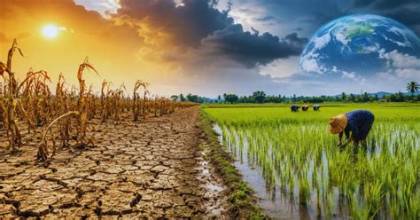
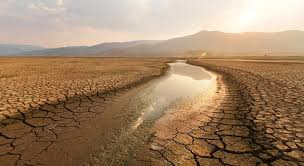
Climate stress remained a central concern. Prolonged droughts affected key agricultural zones in North America, parts of Europe, South Asia, and Africa, reducing yields of staple crops such as wheat, corn, and rice. Water scarcity intensified competition between agriculture, industry, and urban use, while erratic rainfall and heatwaves further disrupted planting and harvesting cycles. These conditions underscored the growing vulnerability of global food production to climate change.
Rising input costs added another layer of strain. Farmers worldwide faced higher prices for fuel, fertilizers, animal feed, and labor. Although fertilizer markets showed some stabilization compared to previous years, costs remained well above historical averages. For small and medium-scale farmers, limited access to credit made it difficult to absorb these increases, leading some to reduce planted area or cut back on inputs, with long-term implications for productivity.
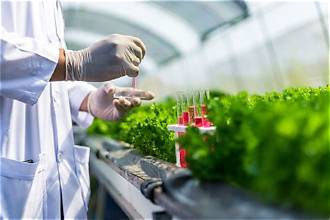
Livestock producers were particularly affected by higher feed and energy costs, while horticulture growers faced rising expenses related to cold storage, transportation, and packaging. In response, many producers accelerated efforts to improve efficiency through mechanization, precision agriculture, and alternative inputs, though adoption varied widely by region and income level.
Despite these challenges, the year also saw increased policy attention on resilience. Governments expanded crop insurance schemes, invested in climate-smart agriculture, and promoted diversification toward more drought-tolerant crops. International organizations emphasized the need for coordinated trade policies and stronger safety nets to protect vulnerable populations.
The 2025 agriculture landscape highlighted the interconnected nature of trade, climate, and cost pressures. As global demand for food continues to rise, the lessons from this year point to the importance of adaptive policies, sustainable resource management, and stable trade frameworks to ensure long-term food security.

 By
By