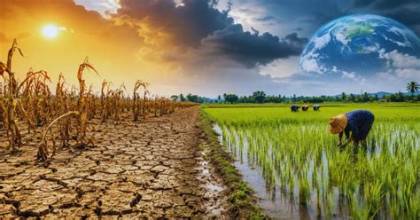
Natural disasters have inflicted enormous economic damage on global agriculture over the past three decades, with losses totaling an estimated $3.26 trillion, according to a new report from the United Nations Food and Agriculture Organization (FAO). The findings highlight the growing impact of climate-related shocks on farming systems and underscore the urgent need for stronger resilience measures, particularly through the use of digital technologies.
The report attributes the bulk of losses to extreme weather events such as droughts, floods, storms, and heatwaves, which have become more frequent and severe due to climate change. Crop production accounted for the largest share of damages, followed by livestock, fisheries, and forestry. Low- and middle-income countries were disproportionately affected, as their economies rely more heavily on agriculture and have fewer resources to absorb repeated shocks.
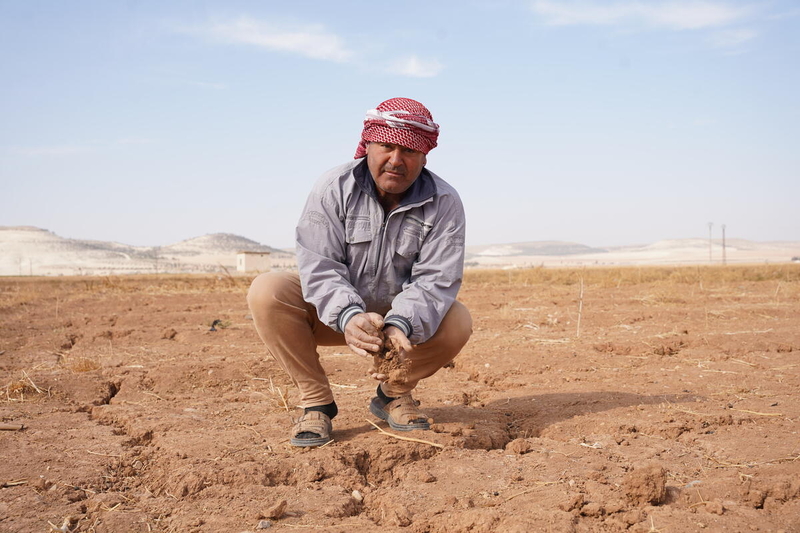
According to the FAO, disasters not only destroy harvests and livestock but also disrupt supply chains, reduce household incomes, and weaken long-term productive capacity. Repeated losses can trap farming communities in cycles of poverty, forcing them to sell assets, reduce food consumption, or abandon agriculture altogether. Smallholder farmers, pastoralists, and coastal fishing communities are among the most vulnerable.
The report places strong emphasis on the role of digital tools in reducing these risks. Technologies such as satellite-based weather forecasting, mobile early-warning systems, digital crop monitoring, and index-based insurance platforms are helping farmers anticipate hazards and respond more effectively. Access to timely information allows producers to adjust planting schedules, manage water more efficiently, and protect assets ahead of extreme events.
Digital advisory services delivered through mobile phones are also improving decision-making at the farm level, particularly in remote areas. When combined with financial tools such as digital payments and insurance, these technologies can speed up recovery after disasters and reduce long-term losses.
However, the FAO cautions that access to digital solutions remains uneven. Gaps in connectivity, affordability, and digital literacy continue to limit adoption, especially among small-scale farmers and women. The report calls for greater investment in rural infrastructure, inclusive digital policies, and capacity-building to ensure that technological benefits reach those most at risk.
As climate pressures intensify, the FAO warns that disaster-related losses will continue to rise unless resilience is scaled up. Strengthening agriculture through data-driven tools, risk management systems, and inclusive innovation is essential to safeguarding global food security and rural livelihoods in the decades ahead.

 By
By