A recent global agriculture update has outlined a set of persistent challenges and emerging trends that continue to shape farming systems worldwide. The roundup underscores how climate stress, resource scarcity, pest pressures, and commodity price volatility are increasingly interconnected, creating complex risks for farmers, agribusinesses, and food security.
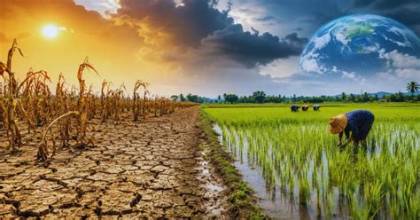
Climate impacts remain the most far-reaching challenge. Rising temperatures, erratic rainfall, prolonged droughts, and extreme weather events are disrupting planting cycles and reducing yields across major crop-growing regions. Heat stress is affecting both crops and livestock, while floods and storms are damaging infrastructure and accelerating soil erosion. These conditions are making agricultural planning more uncertain and increasing production risks year after year.
Resource scarcity is compounding these pressures. Water shortages are intensifying in key agricultural zones, particularly where irrigation-dependent systems rely on declining groundwater reserves. At the same time, soil degradation and nutrient depletion are reducing long-term productivity. Competition for land, water, and energy from urban and industrial sectors is further constraining agricultural expansion and sustainability.
Pest and disease pressures are also rising. Warmer temperatures and changing ecosystems are allowing insects, weeds, and pathogens to spread into new regions, increasing crop losses and control costs. Many farmers face reduced effectiveness of existing pesticides, prompting a growing need for integrated pest management, resistant crop varieties, and biological control methods.
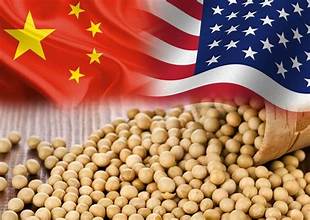
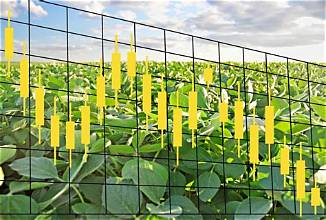
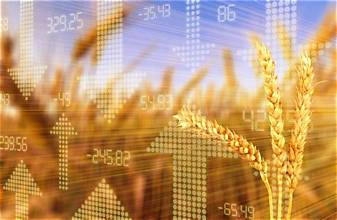
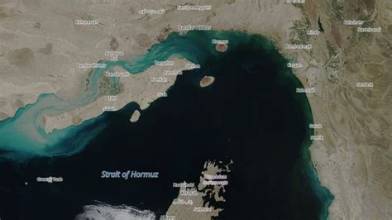
Commodity price volatility continues to challenge farm incomes and market stability. Prices for staple crops, livestock products, and agricultural inputs are influenced by a mix of climate shocks, geopolitical tensions, trade policies, and fluctuating demand. While higher prices can benefit some producers, sudden swings increase financial uncertainty and complicate investment decisions, particularly for small and medium-scale farmers.
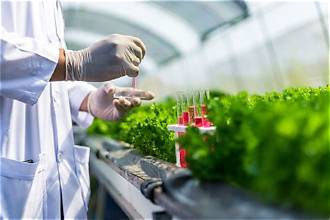
The update also points to emerging responses and trends. Adoption of climate-smart agriculture, precision technologies, and diversified cropping systems is expanding, though unevenly across regions. Policymakers are placing greater emphasis on risk management tools, insurance schemes, and resilient supply chains.
Overall, the roundup highlights that modern agriculture is operating under mounting pressure from multiple fronts. Addressing these challenges will require coordinated action across policy, technology, and on-farm practices to ensure resilient, productive, and sustainable food systems in the years ahead.

 By
By