A new report from the World Bank outlines how artificial intelligence (AI) could play a transformative role in agrifood systems worldwide, with particularly strong potential benefits for low- and middle-income countries. The report emphasizes that AI-driven tools can improve decision-making, increase productivity, and strengthen resilience across the food value chain, from farms to markets and research institutions.
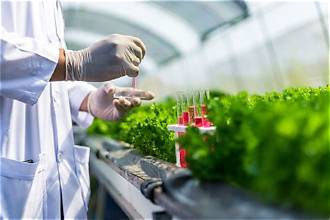
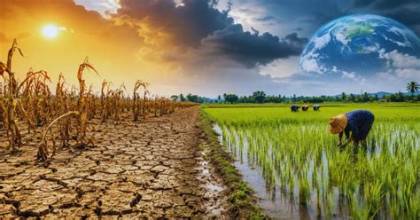
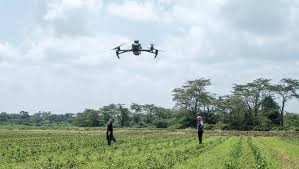
According to the World Bank, AI applications in agriculture can help farmers and policymakers respond more effectively to climate variability, resource constraints, and market volatility. Decision-support tools powered by AI can analyze large volumes of data from weather forecasts, soil conditions, satellite imagery, and market trends, enabling more precise recommendations on planting, irrigation, fertilization, and pest management. For smallholder farmers, access to such insights could significantly reduce risks and improve yields.
The report places special focus on the role of AI in managing and utilizing genebanks, which store vast collections of plant genetic resources. Many of these collections remain underused due to limited data integration and analytical capacity. AI can help unlock their potential by identifying valuable traits—such as drought tolerance, heat resistance, or disease resilience—and matching them with breeding programs suited to local conditions. This could accelerate the development of climate-resilient crop varieties at a time when biodiversity and food security are under growing threat.
In low- and middle-income countries, AI-enabled agrifood systems could also improve efficiency beyond the farm gate. Applications in logistics, storage, and processing can reduce post-harvest losses, while digital market platforms can enhance price transparency and market access for farmers. The report notes that these gains could support rural incomes and strengthen national food systems.
However, the World Bank cautions that realizing AI’s benefits will require targeted investment. Key challenges include gaps in digital infrastructure, limited access to quality data, and shortages of technical skills. The report calls for policies that promote inclusive data governance, public–private collaboration, and capacity-building to ensure AI tools are accessible and relevant to small-scale producers.
Overall, the report concludes that AI is not a standalone solution but a powerful enabler. When combined with sound policies, strong institutions, and local knowledge, artificial intelligence could help build more productive, resilient, and equitable agrifood systems globally.

 By
By