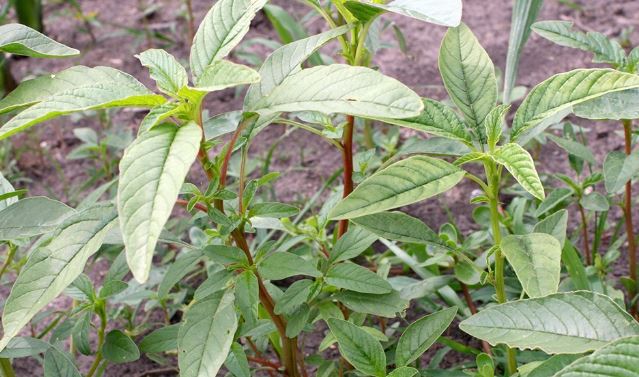
Researchers at the University of Illinois have confirmed the first known case of glufosinate-resistant waterhemp in the United States, marking a significant development for crop production across the Midwest. The discovery raises new challenges for farmers who have increasingly relied on glufosinate-based herbicides to manage hard-to-control weeds.
According to University of Illinois weed scientist Dr. Aaron Hager, resistance has been identified in four separate waterhemp populations in Illinois. Glufosinate is the active ingredient in widely used herbicides such as Liberty, Liberty Ultra, and Interline. With this confirmation, waterhemp has now developed resistance to herbicides from eight different chemical classes, underscoring its reputation as one of the most adaptable and troublesome weeds in U.S. agriculture.
Dr. Hager noted that while the finding is concerning, it is not unexpected. As resistance to other herbicide groups has increased, many farmers have turned to glufosinate as a primary control option. This repeated and widespread use has increased selection pressure on waterhemp populations, accelerating the evolution of resistance.
Despite the confirmation, Hager emphasized that not every glufosinate failure in the field should be immediately attributed to resistance. Application conditions play a major role in how effectively the herbicide performs. He explained that glufosinate works best under bright sunlight, warm temperatures, and high humidity. Using adequate spray volume—around 20 gallons per acre—and applying medium-sized droplets can also significantly improve weed control.
Looking ahead, researchers stress that long-term management will require more than reliance on a single herbicide. Limiting waterhemp seed production is critical, as each plant can produce hundreds of thousands of seeds that contribute to future infestations. Integrated weed management strategies, including crop rotation, multiple herbicide modes of action, and cultural practices, will be essential to slow the spread of resistance.
The confirmation serves as a warning and a call to action for Midwest farmers. Proactive management and careful stewardship of existing herbicide tools will be vital to protecting crop yields and sustaining effective weed control options in the years to come.


 By
By