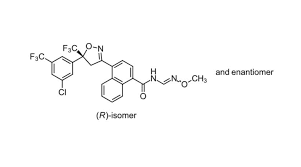
The International Organization for Standardization (ISO) has officially approved two new pesticide common names—fendioxypyracil and toxapyzone—marking an important step in the global registration and recognition of new herbicide active ingredients. The approvals were granted on December 25, 2025, and both names will be included in the March 2026 update of the ISO 1750:2023 XML dataset.
Fendioxypyracil is a newly approved herbicide developed by BASF SE. Classified as an ungrouped herbicide, the molecule represents a novel chemical structure designed to support modern weed management strategies. The approval followed the standard ISO review process, during which no objections were raised to the proposed common name. As a result, fendioxypyracil is now formally recognized for international use in regulatory, scientific, and commercial contexts.
The second newly approved name, toxapyzone, belongs to a benzoylpyrazole herbicide developed by Shandong Dehao Chemical Co., Ltd. of China. Known by its Chinese common name 苯噁吡草酮, toxapyzone adds to the growing list of herbicides aimed at addressing increasingly complex weed control challenges. Like fendioxypyracil, the name toxapyzone completed the ISO approval process without objections and has now achieved full acceptance.
ISO common names play a critical role in global agriculture by providing standardized, non-proprietary names for active ingredients. This ensures clarity and consistency across countries, regulatory systems, research publications, and product labels. Approval of a common name does not itself constitute regulatory authorization for use, but it is a key milestone that supports future product development, registration, and international trade.
The addition of fendioxypyracil and toxapyzone reflects ongoing innovation in crop protection chemistry, as companies continue to invest in new solutions to manage weeds amid rising resistance to existing herbicide classes. With herbicide resistance posing a growing challenge worldwide, the development of new active ingredients with distinct chemical properties is considered essential for sustainable crop production.
By formally recognizing these two compounds, ISO has contributed to expanding the global toolbox available to researchers, regulators, and the agricultural industry, supporting continued progress in weed management and food security.


 By
By