As 2026 begins, the global agricultural industry stands at a pivotal point shaped by more than two decades of profound transformation. Over the last 25 years, agriculture has evolved from a largely production-driven sector into a complex, interconnected system influenced by geopolitics, technology, climate pressures, and shifting consumer demand. This transition has redefined how food is grown, traded, and valued across the world.
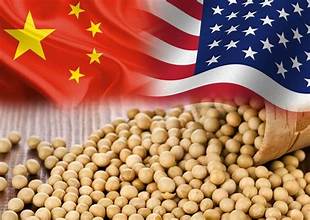
One of the most significant forces behind this change has been the rise of China as a dominant driver of global agricultural demand. Rapid urbanization, income growth, and dietary shifts in China have altered global trade flows for grains, oilseeds, meat, and feed crops. Countries that once produced mainly for domestic markets increasingly oriented their farming systems toward export demand, reshaping planting decisions, logistics, and price discovery on a global scale.
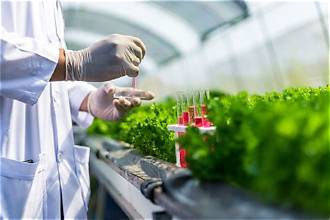
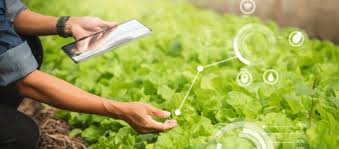
Technological adoption has been another defining factor. Precision agriculture, data analytics, biotechnology, and digital platforms have improved productivity while enabling more efficient use of inputs. Over time, technology has moved beyond yield enhancement to focus on risk management, traceability, and sustainability. Tools such as satellite monitoring, automated equipment, and farm management software are now integral to modern agriculture, helping farmers respond to market volatility and climate variability with greater confidence.
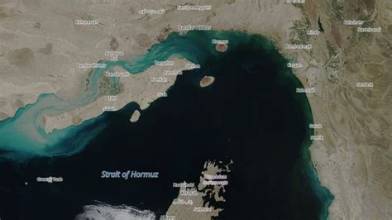
The past quarter-century has also been marked by major disruptions. Global pandemics exposed vulnerabilities in food supply chains, labor availability, and logistics networks. These shocks forced governments and private players to reassess dependency on long, centralized supply chains and renewed interest in local sourcing, storage capacity, and resilience planning. At the same time, geopolitical tensions and trade realignments have underscored the strategic importance of food security as a national priority.
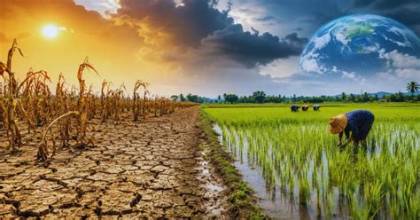
Environmental considerations have further accelerated change. Climate variability, water stress, and soil degradation have compelled the industry to adopt more sustainable practices. Conservation agriculture, carbon-smart farming, and regenerative approaches are no longer niche concepts but central to long-term planning and investment decisions.
Looking ahead, agriculture in 2026 is increasingly defined by adaptability. Success depends on the ability to integrate technology, respond to global demand shifts, and withstand external shocks. The lessons of the last 25 years suggest that resilience, innovation, and strategic foresight will remain the cornerstones of global agriculture in the years to come.

 By
By