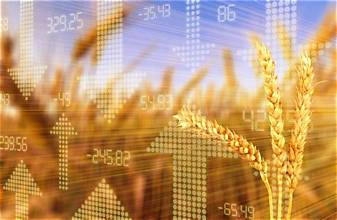
Cotton markets have entered 2026 under significant strain as futures prices register a sharp decline, driven largely by global oversupply and subdued demand. The price crash has intensified income pressures for cotton farmers, particularly in major producing countries, raising concerns about farm viability and planting decisions in the coming season.
The current downturn is the result of several converging factors. Strong harvests in key cotton-producing regions over the past year have led to elevated global stocks. At the same time, demand growth from textile and apparel manufacturers has remained muted due to slower consumer spending and persistent economic uncertainty in major importing markets. This imbalance between supply and demand has kept downward pressure on futures prices.
For farmers, the impact is immediate and financial. Lower prices reduce gross returns at a time when production costs—such as seeds, fertilizers, irrigation, and labor—remain relatively high. Many producers are facing tighter margins, forcing them to reassess input use, delay capital investments, or consider alternative crops. In regions where cotton is a primary cash crop, the price slump also has broader implications for rural employment and local economies.
Market analysts suggest that recovery in cotton prices during 2026 will depend on a combination of supply-side adjustments and demand revival. On the supply front, a reduction in planted area is widely expected as farmers respond to weaker price signals. Any weather-related disruptions in major producing regions could also help rebalance the market by limiting output. Additionally, stock management and export policies in large producer countries will play a critical role in shaping global availability.
Demand-side recovery may take longer. Improvement in textile consumption is closely linked to overall economic growth and consumer confidence. However, diversification into higher-value cotton products and sustainable textiles could provide some support over the medium term.
To manage risk, experts are encouraging farmers to strengthen price hedging strategies, optimize input efficiency, and explore income diversification where possible. While short-term pressures remain acute, disciplined supply responses and gradual demand improvement could lay the groundwork for more stable cotton prices later in 2026.


 By
By