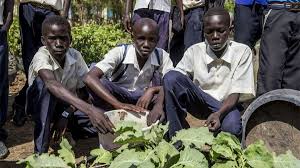
Across several African countries, a growing number of young people are returning to agriculture as economic pressures in urban areas intensify. Rising living costs, limited formal employment opportunities, and job insecurity in cities are prompting youth to reconsider farming and agribusiness as viable and sustainable livelihoods.
For many years, rural-to-urban migration dominated youth employment trends, driven by the perception that cities offered better income and career prospects. However, this narrative is shifting. High housing costs, informal and low-paying jobs, and increasing competition in urban labor markets have reduced the appeal of city life. As a result, young Africans are increasingly viewing agriculture not as a last resort, but as an opportunity for entrepreneurship and economic independence.
Governments, development agencies, and private organizations are supporting this transition through targeted programs aimed at lowering entry barriers for young farmers. These initiatives focus on improving access to land through lease arrangements and community land banks, expanding affordable credit and startup financing, and offering practical training in modern farming techniques and agribusiness management. Digital tools, including mobile-based advisory services and online marketplaces, are also helping young farmers connect with buyers and access real-time information.
The shift toward agriculture is also being influenced by the modernization of the sector. Mechanization, climate-smart practices, and value-added processing are making farming more productive and less labor-intensive. Youth-led agribusinesses are emerging in areas such as horticulture, poultry, aquaculture, and food processing, creating employment beyond primary production.
Experts note that youth participation is critical for the long-term sustainability of African agriculture, particularly as the average age of farmers continues to rise. Engaging young people brings innovation, technology adoption, and stronger links to markets, helping to strengthen food systems and rural economies.
Despite the positive momentum, challenges remain. Limited infrastructure, climate risks, and inconsistent policy support can still constrain growth. However, with sustained investment and inclusive policies, agriculture is increasingly being positioned as a pathway to employment, income generation, and food security for Africa’s rapidly growing youth population.

 By
By