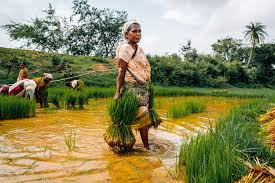
First-hand farm reporting is gaining renewed relevance as young journalists increasingly step beyond newsrooms to experience agricultural life directly. A recent first-person account by an early-career journalist highlights how working on farms can deepen understanding of the realities faced by growers, while strengthening the connection between rural communities and urban audiences.
Through direct involvement in daily farm activities, the journalist describes gaining practical insights into the physical demands of agricultural work, the uncertainty created by weather and markets, and the complex decision-making farmers face throughout a growing season. Tasks such as planting, irrigation management, harvesting, and livestock care revealed that farming is not only labor-intensive but also highly knowledge-driven, requiring constant adaptation to changing conditions.
The experience also exposed the gap between public perception and on-ground realities. Urban audiences often encounter agriculture only through food prices or policy debates, without appreciating the risks and constraints that shape farm outcomes. First-person storytelling helps bridge this divide by presenting agriculture as a lived experience rather than an abstract sector of the economy.
The journalist emphasizes that immersive reporting allows for more accurate and empathetic narratives. By sharing stories rooted in direct observation, journalists can convey the emotional and economic pressures farmers face, including income uncertainty, access to credit, and the impact of climate variability. At the same time, such accounts also highlight innovation, resilience, and the opportunities emerging from technology adoption and diversification.
Media experts note that farm life journalism plays a critical role in shaping informed public discourse. Authentic storytelling can influence consumer awareness, encourage responsible food choices, and support evidence-based policy discussions. It also provides farmers with a platform to have their voices heard beyond rural regions.
As digital media expands reach and formats, first-person agricultural storytelling is becoming more accessible to wider audiences. By combining experiential reporting with clear context, young journalists are helping to humanize agriculture and reinforce its relevance in everyday life. This approach underscores the power of journalism in connecting cities with the fields that sustain them.

 By
By