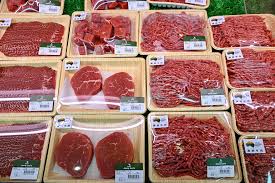
China has announced new restrictions on beef imports, introducing a steep 55 percent tariff on shipments that exceed established quota levels. The move is aimed at protecting the country’s domestic livestock sector, which has been under pressure from rising imports, price competition, and tightening margins for local producers. The decision is expected to have notable implications for global beef trade in 2026.
Over the past few years, China has emerged as one of the world’s largest beef importers, driven by growing consumer demand, dietary diversification, and urbanization. However, increased inflows of relatively lower-priced beef have weighed on domestic producers, particularly small and medium-scale cattle farmers. Authorities have indicated that the higher out-of-quota tariff is intended to stabilize local prices and improve income security within the domestic livestock industry.
Under the new policy framework, beef imports within approved quota limits will continue to face lower, preferential tariff rates, while any volumes exceeding those thresholds will be subject to the 55 percent duty. This structure is designed to manage supply without fully closing the market, allowing China to balance domestic production goals with consumer demand.
Major beef-exporting countries such as Brazil, Australia, and the United States are likely to feel the impact of the policy shift. These exporters have benefited from China’s strong import demand in recent years, and higher tariffs on excess volumes could affect shipment planning, pricing strategies, and overall trade flows. Exporters may now seek to diversify markets or focus more closely on quota management to remain competitive.
Industry analysts note that the policy could lead to short-term adjustments in global beef prices, particularly if exporters redirect supplies to other regions. At the same time, China’s domestic producers may gain some relief from import-driven price pressure, potentially encouraging investment in herd expansion, feed efficiency, and biosecurity improvements.
While the tariff move supports domestic livestock farmers, it may also influence retail prices for consumers, depending on how supply and demand respond over time. The effectiveness of the policy will largely depend on domestic production growth and consumption trends.
Overall, China’s decision underscores the strategic importance of food security and self-reliance in agricultural policy. As global trade dynamics continue to evolve, the new beef import curbs are set to play a significant role in shaping livestock markets in 2026.


 By
By