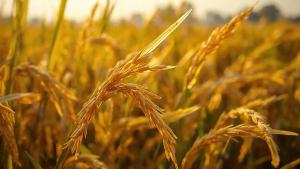
India has achieved a major milestone in global agriculture by overtaking China to become the world’s largest producer of rice, according to the latest international production estimates. This development marks a significant shift in the global food supply landscape and underscores India’s growing role in ensuring food security at both national and international levels.
Rice is a staple food for more than half of the world’s population, and leadership in its production carries strategic importance. India’s rise to the top position reflects sustained improvements in agricultural productivity, expansion of cultivated area, and the adoption of improved farming practices. Favorable monsoon conditions in recent years, combined with better irrigation infrastructure, have further strengthened output across major rice-growing states.
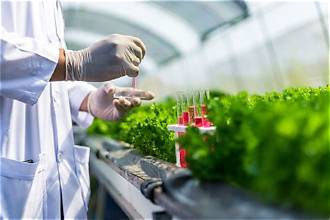
Another key factor behind India’s increased production is the widespread adoption of high-yielding and climate-resilient rice varieties. Research institutions and agricultural universities have played a critical role in developing varieties that offer higher productivity, shorter growing cycles, and improved resistance to pests and diseases. These innovations have helped farmers achieve better yields even under challenging climatic conditions.
Government support has also contributed significantly to this achievement. Policies focused on assured minimum support prices, input subsidies, and improved access to credit have encouraged farmers to maintain and expand rice cultivation. In addition, investments in rural infrastructure, including irrigation projects, storage facilities, and logistics, have reduced post-harvest losses and improved market efficiency.
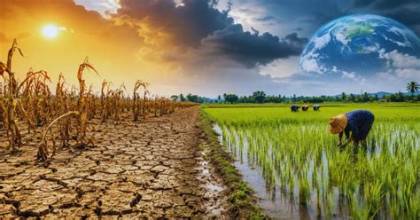
India’s leadership in rice production has important implications for global markets. As the world’s largest exporter of rice, higher domestic production strengthens India’s capacity to meet international demand while maintaining sufficient stocks for domestic consumption. This is particularly relevant at a time when global food systems are under pressure from climate variability, geopolitical uncertainties, and supply chain disruptions.
However, experts emphasize the need for balanced growth. Sustainable water use, diversification of cropping systems, and promotion of resource-efficient farming practices will be essential to ensure that higher production does not come at the cost of environmental degradation.
Overall, India’s emergence as the world’s largest rice producer highlights the resilience and potential of its agricultural sector. The achievement not only reinforces the country’s contribution to global food security but also sets the stage for continued innovation and sustainable growth in the years ahead.

 By
By