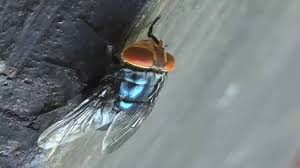
Health and agricultural authorities have confirmed the detection of the invasive New World screwworm pest in livestock near the U.S.–Mexico border, close to Texas. The discovery has triggered heightened surveillance and preventive measures, as the pest poses a serious threat to animal health, agricultural productivity, and regional biosecurity.
The New World screwworm, scientifically known as Cochliomyia hominivorax, is a parasitic fly whose larvae feed on the living tissue of warm-blooded animals. Unlike most flies that infest dead or decaying matter, screwworm larvae burrow into open wounds, causing severe infections that can lead to significant tissue damage, secondary disease, and even death if left untreated. Livestock such as cattle, sheep, goats, and horses are particularly vulnerable, though wildlife and, in rare cases, humans can also be affected.
The United States had successfully eradicated the New World screwworm decades ago through an extensive binational program involving the sterile insect technique, coordinated surveillance, and strict animal movement controls. Its reappearance near the border has therefore raised serious concerns among veterinarians, ranchers, and policymakers. Authorities believe the current detection may be linked to cross-border livestock movement or wildlife migration, emphasizing the importance of coordinated regional response.
In response to the confirmation, U.S. and Mexican agencies have intensified inspections, quarantine protocols, and monitoring in border regions. Livestock owners have been advised to regularly inspect animals for wounds, maintain proper hygiene, and report any suspicious symptoms immediately. Early detection is critical, as prompt treatment can prevent severe damage and stop further spread.
Experts stress that while the detection is concerning, it does not indicate widespread infestation at this stage. Ongoing containment efforts aim to ensure the pest does not establish itself again in the United States. Lessons from past eradication campaigns demonstrate that rapid action, scientific intervention, and cross-border cooperation can be highly effective.
The incident highlights the growing challenges of agricultural biosecurity in an era of increased trade, animal movement, and climate variability. Authorities continue to urge vigilance from farmers and veterinarians, noting that protecting livestock health is essential not only for the agricultural economy but also for food security and public confidence in animal health systems.

 By
By