

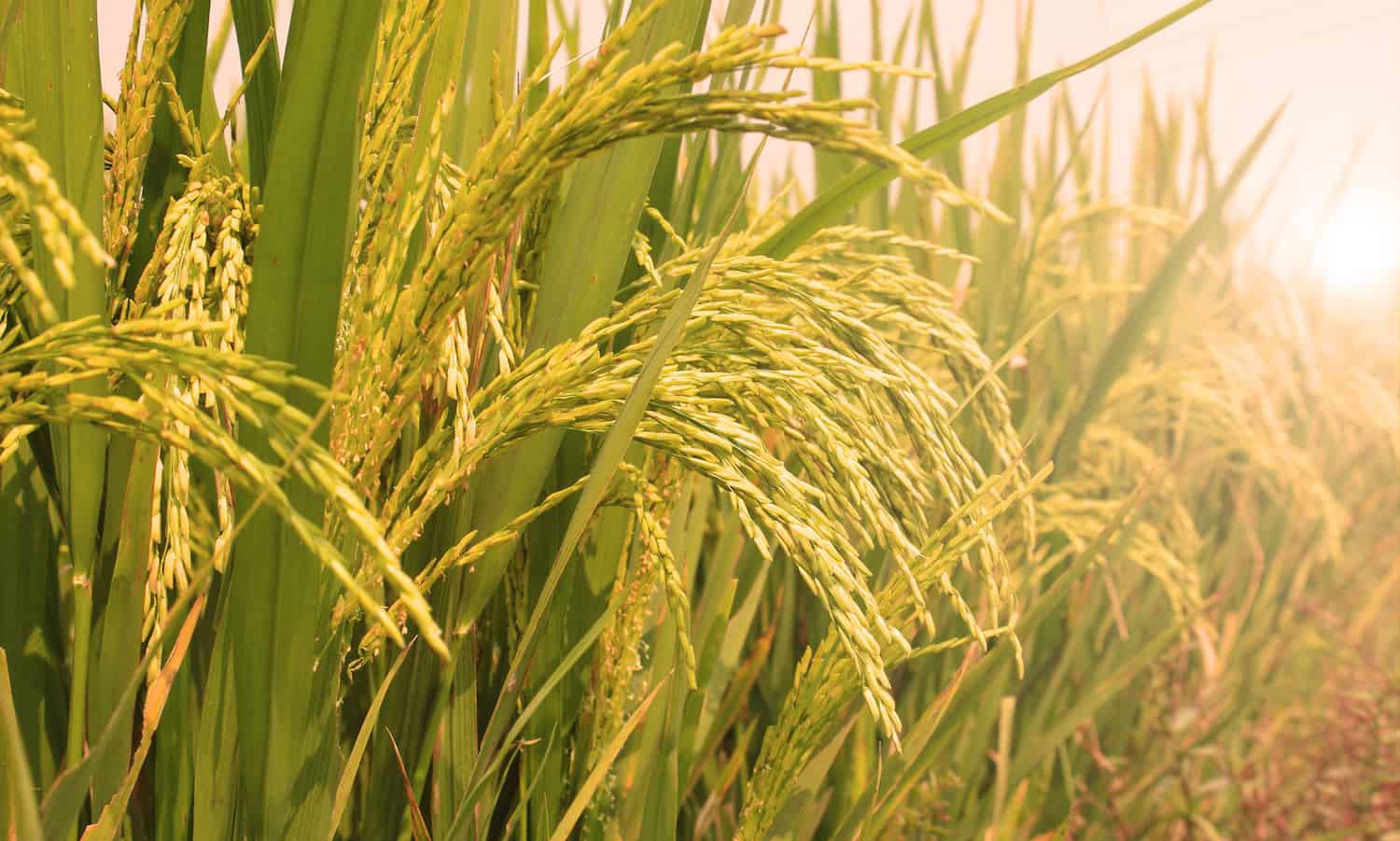
India has been confirmed as the world’s largest rice producer by multiple international economic and agricultural outlets, overtaking China and consolidating its position at the top of global rice production. The confirmation reinforces India’s growing influence in the global staple food market and highlights its critical role in ensuring food security across Asia, Africa, and the Middle East.
Rice is a primary food source for more than half of the global population, making leadership in its production strategically significant. India’s ascent reflects consistent gains in output over recent years, supported by stable monsoon patterns, expanded irrigation coverage, and improved farm-level productivity across key rice-growing states. Regions such as West Bengal, Uttar Pradesh, Punjab, Andhra Pradesh, and Telangana have contributed substantially to the production surge.
Experts attribute the milestone to the widespread adoption of high-yielding and stress-tolerant rice varieties developed by national research institutions. These varieties have enabled farmers to achieve better yields while managing challenges such as heat stress, pests, and erratic rainfall. Improved access to quality seeds, fertilizers, and advisory services has further strengthened on-farm performance.
Government policy support has played a decisive role. Assured procurement mechanisms, minimum support prices, and investments in irrigation and rural infrastructure have encouraged farmers to maintain rice cultivation despite rising input costs. At the same time, enhanced storage and logistics capacity has reduced post-harvest losses, allowing more grain to reach markets efficiently.
India’s leadership in rice production also carries major implications for global trade. As the world’s largest rice exporter, higher domestic output strengthens India’s ability to balance domestic food security with export commitments. This is particularly important amid global supply uncertainties caused by climate change, geopolitical tensions, and disruptions in other producing regions.
However, analysts emphasize the importance of sustainability as production expands. Efficient water management, diversification into less water-intensive crops, and the promotion of climate-smart practices will be essential to maintain long-term productivity.
Overall, India’s confirmation as the world’s top rice producer underscores the resilience and scale of its agricultural sector. The achievement not only enhances India’s export potential but also reinforces its central role in stabilizing global rice supplies in an increasingly uncertain food landscape.


 By
By











