

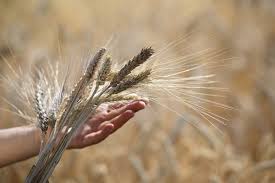
The Food and Agriculture Organization (FAO) is accelerating efforts to promote sustainable agriculture and biodiversity through its flagship Hand-in-Hand Initiative, which mobilizes targeted investments aimed at enhancing livestock systems, improving food security, and building resilience in vulnerable regions. The initiative reflects FAO’s growing commitment to integrating environmental sustainability with agricultural development.
The Hand-in-Hand Initiative focuses on directing resources where they are most needed, supporting projects that combine productivity gains with ecosystem preservation. By investing in sustainable livestock practices, climate-smart farming, and biodiversity-friendly interventions, the program aims to strengthen rural livelihoods while reducing the environmental footprint of agriculture. Regions facing water scarcity, land degradation, and climate variability are given particular priority.
Livestock development is a central pillar of the initiative. FAO emphasizes approaches that improve animal health, feed efficiency, and breeding practices while minimizing greenhouse gas emissions. These measures not only increase productivity and income for smallholder farmers but also contribute to global efforts to reduce agriculture’s environmental impact.
In addition to livestock, the initiative supports crop diversification, agroforestry, soil conservation, and the protection of local plant and animal species. By promoting biodiversity, FAO aims to make food systems more resilient to shocks such as climate extremes, pests, and market disruptions. Investments in research, farmer training, and infrastructure are designed to facilitate long-term adoption of these sustainable practices.
FAO officials highlight that the initiative also strengthens public-private partnerships, encouraging collaboration between governments, development agencies, and private investors. This coordinated approach ensures that financial resources are efficiently allocated, and interventions are tailored to local conditions and priorities.
Early results from participating countries indicate measurable benefits, including higher farm incomes, improved livestock productivity, and enhanced ecosystem health. FAO expects that scaling up these investments will have a transformative impact on regional food systems, supporting the dual goals of economic development and environmental sustainability.
Overall, the Hand-in-Hand Initiative demonstrates FAO’s leadership in aligning agricultural growth with biodiversity conservation, offering a model for sustainable development that balances productivity, environmental stewardship, and community resilience.


 By
By











