

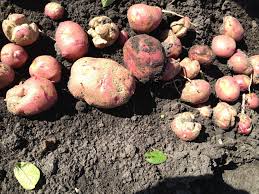
A recent field study has shown that very low doses of glyphosate can stimulate growth and significantly improve yield in potato crops, highlighting a phenomenon known as glyphosate hormesis. Hormesis refers to a biological response in which low doses of a substance that is harmful at high levels instead produce a beneficial effect.
The field experiment evaluated six glyphosate application rates—5, 10, 20, 40, 80, and 160 g acid equivalent (a.e.) per hectare—along with an untreated control. Researchers assessed a wide range of physiological, biochemical, and yield-related parameters to understand how potatoes respond to varying glyphosate doses under real field conditions.
The study found that the highest tuber yield was achieved at the 20 g a.e. ha⁻¹ dose, where potato production increased by nearly 30 percent compared to untreated plants. This low-dose treatment also resulted in a 54 percent rise in marketable tubers weighing more than 150 grams and a 14 percent increase in total plant biomass, indicating improved overall crop performance.
Physiological analysis revealed that low glyphosate doses positively influenced plant metabolism. At 20 g a.e. ha⁻¹, plants showed the highest catalase (CAT) enzyme activity, which plays a key role in protecting cells from oxidative stress. Moderate activation of antioxidant systems was associated with healthier plant growth and improved yield outcomes.
In contrast, higher glyphosate doses had a clearly negative impact. The highest application rate (160 g a.e. ha⁻¹) significantly reduced plant height, total yield, marketable tuber production, and biomass. This treatment also triggered elevated oxidative stress, reflected by increased activity of ascorbate peroxidase (APX) and guaiacol peroxidase (GPX), along with higher levels of malondialdehyde (MDA) and hydrogen peroxide (H₂O₂)—both indicators of cellular damage.
The findings suggest that while glyphosate at very low doses can enhance potato yield and tuber quality, exceeding a critical threshold reverses these benefits and leads to yield losses and physiological stress. Researchers caution that such responses are dose-specific and require careful management under field conditions.
The study, titled “Field assessment of physiological and yield responses of potato to glyphosate hormesis”, was conducted by Ghafori et al. and published in Scientific Reports (2026). The results contribute to a growing body of research on hormesis and may have implications for understanding non-target effects of herbicides in crop production systems.


 By
By











