

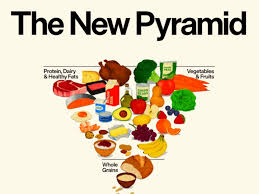
The U.S. Secretary of Agriculture has outlined a renewed focus on reshaping national dietary guidelines, emphasizing a move away from highly processed foods and reinforcing agriculture’s central role in improving public nutrition. The remarks signal a policy direction that could influence food production, agricultural markets, and consumer eating patterns in the coming years.
According to the Secretary, future dietary guidance should place greater emphasis on whole, minimally processed foods such as fruits, vegetables, whole grains, legumes, dairy, and lean proteins. The approach aims to address rising rates of obesity, diabetes, and diet-related chronic diseases, while aligning nutrition policy more closely with agricultural production and food system sustainability.
The shift reflects growing concern that ultra-processed foods, often high in added sugars, salt, and unhealthy fats, dominate modern diets despite existing guidelines. By redefining priorities, the Department of Agriculture intends to support food choices that are both nutritionally sound and rooted in domestic agricultural production.
The Secretary also highlighted the opportunity for U.S. farmers to play a more direct role in national nutrition outcomes. Expanding access to fresh produce, strengthening local and regional food systems, and supporting diversified farming were cited as key strategies. The policy direction could lead to greater integration between farm policy, nutrition programmes, and public health initiatives, including school meals and federal food assistance schemes.
Industry stakeholders are closely watching how revised dietary guidelines may affect demand across different agricultural sectors. Increased emphasis on whole foods could benefit fruit, vegetable, dairy, and protein producers, while placing pressure on segments of the food industry reliant on processed products.
Overall, the Secretary’s remarks suggest a more holistic approach to dietary guidance—one that positions agriculture not only as a supplier of food, but as a strategic partner in shaping healthier national diets and long-term food system resilience.


 By
By











