

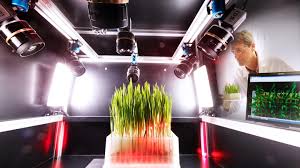
The European Union has taken a significant step toward modernising its agricultural regulatory framework by easing restrictions on certain gene-edited crops, a move that is widely expected to stimulate investment in biotechnology and enhance the region’s global competitiveness.
Under the revised approach, specific genome-edited plants developed using newer techniques such as targeted gene editing will no longer be automatically classified under the European Union’s strict genetically modified organism (GMO) regulations. These varieties, particularly those that could also occur naturally or through conventional breeding, will be subject to lighter regulatory oversight compared to traditional GM crops.
The policy shift marks a departure from the EU’s long-standing precautionary stance, which had drawn criticism from scientists, farmers, and biotech firms for stifling innovation and delaying the adoption of climate-resilient crop technologies. Supporters argue that the updated rules reflect scientific advances and provide a more proportionate regulatory system.
Agricultural experts believe the change could reinvigorate Europe’s biotechnology sector, encouraging research and development in areas such as drought tolerance, disease resistance, and improved crop yields. These innovations are increasingly viewed as essential for addressing food security challenges linked to climate change, rising input costs, and environmental pressures.
The decision also brings the EU closer to regulatory models already adopted in countries such as the United States and several African nations, where gene-edited crops are regulated differently from conventional GMOs. This alignment is expected to improve trade competitiveness and reduce regulatory disparities that have previously placed European producers at a disadvantage.
Despite the positive response from industry and research institutions, the move has generated debate among environmental groups and consumer organisations. Critics have raised concerns about transparency, labelling, and long-term ecological impacts, calling for continued safeguards and public engagement as the new framework is implemented.
EU policymakers have emphasised that food safety standards will remain robust and that risk assessments will continue to play a central role. Authorities have also indicated that traceability and monitoring mechanisms will be maintained to ensure consumer confidence.
As Europe seeks to balance sustainability, innovation, and food security, the relaxed rules on gene-edited crops are being seen as a pivotal development. The coming years will determine how effectively the new policy translates into practical gains for farmers, researchers, and the wider agri-food sector.


 By
By











