

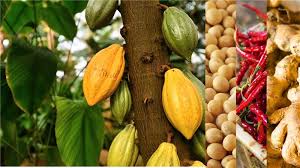
Ghana is accelerating efforts to transform its agricultural sector by expanding value chains beyond its long-standing dependence on cocoa, with the goal of diversifying exports, improving competitiveness, and strengthening rural economic growth.
For decades, cocoa has been the backbone of Ghana’s agricultural exports and a major source of foreign exchange. However, fluctuations in global prices, climate-related risks, and rising production costs have highlighted the need for a broader and more resilient agricultural base. Policymakers now view diversification as critical to ensuring sustainable growth and income stability for farmers.
The government is promoting the development of value chains in crops such as rice, maize, cassava, horticultural produce, and oilseeds, alongside livestock and agro-processing industries. By encouraging local processing and value addition, Ghana aims to reduce raw commodity exports and increase earnings from finished and semi-processed products.
Investment in storage, transport infrastructure, and cold-chain facilities is being prioritised to reduce post-harvest losses and improve product quality. Authorities are also supporting smallholder farmers through access to improved seed varieties, mechanisation services, and extension support to enhance productivity and meet export standards.
Export-oriented agriculture is a central focus of the strategy. Ghana is working to improve compliance with international food safety and quality requirements, enabling producers to access regional and global markets more effectively. Regional trade frameworks are also being leveraged to expand market access within West Africa.
Private sector participation is being encouraged through incentives for agribusiness investment, public–private partnerships, and financing mechanisms aimed at scaling up agro-processing enterprises. Officials believe that stronger linkages between farmers, processors, and exporters will generate employment and stimulate rural economies.
Agricultural analysts note that successful value chain transformation will depend on consistent policy implementation, climate-resilient practices, and sustained investment. They also stress the importance of ensuring that smallholder farmers, who form the backbone of the sector, benefit directly from diversification efforts.
As Ghana seeks to reduce its vulnerability to single-crop dependence, the shift toward diversified agricultural value chains is being positioned as a key pillar of long-term economic development, food security, and inclusive rural growth.


 By
By











