

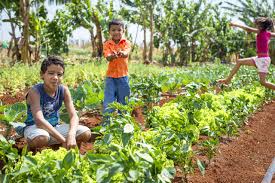
Global efforts to strengthen agricultural systems in developing regions have received a boost with the launch of a new private-sector financing window under the Global Agriculture and Food Security Program (GAFSP), supported by the African Development Bank and other partners. The initiative has already allocated its first round of funding, marking a significant shift toward greater private-sector participation in agricultural development.
The new financing window is designed to mobilise private investment in agriculture and food systems, particularly in low-income and climate-vulnerable regions. By targeting agribusinesses, financial institutions, and value chain enterprises, the programme aims to address long-standing gaps in access to capital that limit productivity, innovation, and market integration.
According to officials involved in the initiative, the funding will support projects that improve farm-level productivity, expand access to finance for smallholder farmers, and strengthen food supply chains. Priority areas include climate-resilient agriculture, sustainable input use, post-harvest infrastructure, and value addition through processing and storage.
The African Development Bank has highlighted the importance of leveraging private-sector expertise and capital to complement public funding. While public investment remains essential for policy support and basic infrastructure, private enterprises are seen as critical drivers of scale, efficiency, and innovation across agricultural value chains.
GAFSP, a multi-donor trust fund established to enhance food security and nutrition, has traditionally focused on public-sector investments. The introduction of a dedicated private-sector window reflects growing recognition that sustainable food systems require stronger engagement from agribusinesses, commercial lenders, and impact investors.
Development analysts note that private-sector financing can play a key role in linking smallholder farmers to markets, technologies, and financial services. However, they also emphasise the need for safeguards to ensure that investments are inclusive and aligned with development goals, particularly for women, youth, and marginal farming communities.
The initial funding allocations are expected to serve as a pilot for scaling up private investment through blended finance models, where public and concessional funds help reduce risk and attract additional capital. If successful, the approach could unlock significantly higher levels of investment in agriculture across Africa and other developing regions.
As global food systems face mounting pressure from climate change, population growth, and economic uncertainty, expanded agricultural financing through partnerships such as GAFSP is being viewed as a critical step toward building resilient, productive, and sustainable agriculture worldwide.


 By
By











