

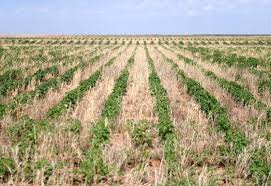
Climate scientists have officially confirmed 2025 as the third-hottest year ever recorded, underscoring growing concerns about the impact of extreme heat on global agriculture and natural ecosystems. The findings are based on consolidated temperature data from multiple international climate monitoring agencies, which show that average global temperatures remained significantly above long-term norms throughout the year.
One of the most worrying aspects of the 2025 climate assessment is the sharp increase in heat-stress days across major agricultural regions. Extended periods of high temperatures were reported in parts of South Asia, southern Europe, Africa, Australia, and the Americas—areas that play a crucial role in global food production. These prolonged heat events have placed crops, livestock, and water resources under mounting pressure.
Agronomists warn that excessive heat during critical growth stages can severely reduce crop yields by disrupting pollination, accelerating crop maturity, and increasing evapotranspiration. Staple crops such as wheat, maize, rice, and soybeans are particularly vulnerable, especially when high temperatures coincide with moisture stress. In many regions, farmers reported lower grain weights and reduced overall productivity during the 2025 growing season.
Beyond crops, heat stress also affected livestock systems. Higher temperatures increased the risk of dehydration, reduced feed intake, and lowered milk and meat productivity, especially in regions lacking adequate cooling infrastructure. Natural ecosystems, including grasslands and wetlands that support agricultural resilience, also experienced strain due to persistent heat and altered rainfall patterns.
Climate experts note that while individual years can vary due to natural climate cycles, the long-term warming trend is unmistakable. The ranking of 2025 among the hottest years on record reinforces scientific projections that extreme heat events will become more frequent and intense unless global greenhouse gas emissions are substantially reduced.
In response, agricultural researchers and policymakers are emphasizing the need for climate-resilient farming strategies. These include the development of heat-tolerant crop varieties, improved irrigation efficiency, better soil moisture management, and expanded use of climate-smart advisory services for farmers. Early warning systems and weather-based crop insurance are also gaining importance as tools to manage climate risk.
As global temperatures continue to rise, experts stress that safeguarding agriculture will require coordinated action—combining scientific innovation, supportive policies, and on-ground adaptation measures—to ensure food security in an increasingly warmer world.


 By
By











