

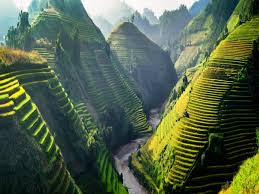
Vietnam’s iconic rice fields, long central to the nation’s food security and agricultural exports, are increasingly being developed as sustainable tourism destinations. This emerging approach links the country’s rich agricultural heritage with rural economic development, while also supporting a strategic shift in Vietnam’s rice export policy toward higher quality and greater value.
Across several provinces, terraced paddies and traditional rice-growing villages are being promoted as cultural and ecological attractions. Visitors are offered immersive experiences such as participating in planting and harvesting, learning traditional irrigation methods, and engaging with local farming communities. These initiatives aim to preserve rural traditions while creating additional income streams for farmers beyond conventional crop sales.
The move toward agri-tourism reflects broader changes within Vietnam’s rice sector. While the country remains one of the world’s leading rice exporters, policymakers and industry stakeholders are increasingly prioritizing quality over volume. Improved seed varieties, better post-harvest handling, and sustainable farming practices are being encouraged to meet the growing global demand for premium and specialty rice.
Tourism linked to rice cultivation is also supporting rural development goals. By attracting domestic and international visitors, local communities benefit from employment opportunities in hospitality, guiding services, handicrafts, and food enterprises. This diversification helps reduce economic vulnerability in farming households and slows rural-to-urban migration, particularly among younger generations.
Environmental sustainability is a key focus of these initiatives. Many tourism projects promote low-input farming, reduced chemical use, and water-efficient cultivation methods. Showcasing environmentally responsible rice production not only protects natural resources but also strengthens Vietnam’s image as a supplier of sustainably produced agricultural commodities.
Government agencies, local authorities, and private stakeholders are working together to develop infrastructure, training programs, and marketing strategies that support this integrated model. Emphasis is being placed on community-led tourism to ensure that economic benefits remain within rural areas and that cultural landscapes are preserved.
As Vietnam continues to modernize its agricultural economy, the integration of rice farming with sustainable tourism offers a model for balancing economic growth, cultural preservation, and environmental stewardship. The transformation of rice fields into living cultural destinations reflects a broader vision in which agriculture supports both global markets and resilient rural livelihoods.


 By
By











