

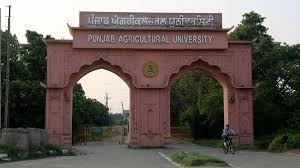
India’s Punjab Agricultural University (PAU) has joined the BRICS Network University (BRICS-NU) as part of its specialized cluster on sustainable agriculture and food security, marking a significant milestone in global academic collaboration. With this inclusion, PAU becomes the only Indian agricultural institution represented in the BRICS-NU framework dedicated to these critical themes.
The BRICS Network University is a multilateral academic initiative involving leading universities from Brazil, Russia, India, China, and South Africa. It aims to promote joint research, faculty exchange, student mobility, and knowledge sharing in priority areas of mutual interest. PAU’s entry into the sustainable agriculture and food security cluster strengthens India’s presence in international agricultural research and education.
University officials highlighted that PAU’s long-standing expertise in crop science, resource-efficient farming, climate-resilient agriculture, and food systems research aligns closely with the objectives of the BRICS platform. The collaboration is expected to facilitate joint research projects, co-supervised postgraduate programs, and shared innovation in areas such as sustainable intensification, soil and water management, and nutrition-sensitive agriculture.
The partnership also reflects the growing importance of international cooperation in addressing global challenges facing agriculture. Climate change, land degradation, water scarcity, and rising food demand require coordinated scientific responses that transcend national boundaries. Through the BRICS-NU network, PAU will collaborate with peer institutions to develop practical, scalable solutions relevant to both developing and emerging economies.
For students and researchers, the association opens new academic and professional opportunities. Participation in exchange programs, international workshops, and collaborative research initiatives will enhance exposure to diverse agricultural systems and policy approaches across BRICS nations. This is expected to strengthen human resource development in agricultural sciences and related disciplines.
Policy experts note that PAU’s inclusion underscores India’s leadership in agricultural research, particularly in the context of food security and sustainable farming systems. The university has played a pivotal role in advancing productivity and innovation in Indian agriculture, and its integration into the BRICS network further elevates its global standing.
As BRICS countries collectively represent a substantial share of the world’s population and agricultural output, PAU’s participation is expected to contribute meaningfully to shared efforts aimed at building resilient, sustainable, and inclusive food systems. The collaboration highlights the growing role of academic diplomacy in shaping the future of global agriculture.


 By
By











