

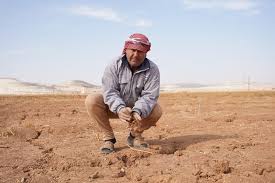
Global agriculture has suffered losses exceeding USD 3 trillion over the past three decades due to climate-related and other disasters, according to a new report released by the United Nations Food and Agriculture Organization (FAO). The findings underscore the growing vulnerability of farming systems worldwide and highlight the urgent need for stronger risk mitigation measures and digitally enabled resilience strategies.
The FAO analysis shows that extreme weather events such as droughts, floods, storms, and heatwaves account for the majority of agricultural losses, severely affecting crops, livestock, fisheries, and forestry. Low- and middle-income countries have borne a disproportionate share of the damage, where agriculture remains a primary source of livelihoods, food security, and rural employment.
According to the report, crop production has been the hardest hit, with repeated climate shocks reducing yields, degrading soils, and disrupting planting cycles. Livestock systems have also faced major losses due to heat stress, disease outbreaks, and feed shortages linked to extreme weather. These cumulative impacts have weakened farm incomes, increased food price volatility, and heightened the risk of hunger and malnutrition in vulnerable regions.
FAO emphasizes that the frequency and intensity of disasters are increasing, largely driven by climate change, putting additional pressure on already stressed food systems. The organization warns that without decisive action, future losses could escalate further, undermining progress toward global food security and sustainable development goals.
A central recommendation of the report is the adoption of digital technologies to strengthen agricultural resilience. Tools such as early warning systems, climate and weather forecasting, remote sensing, and data-driven farm management can help farmers anticipate risks, respond more effectively to shocks, and reduce losses. FAO notes that digital solutions are particularly valuable when combined with local knowledge and inclusive extension services.
The report also calls for stronger investment in disaster risk reduction, including climate-resilient infrastructure, diversified cropping systems, improved insurance mechanisms, and social protection programs for farming communities. Policymakers are urged to integrate disaster risk management into national agricultural strategies and ensure better coordination between climate, agriculture, and development policies.
FAO officials stressed that protecting agriculture from disasters is not only an environmental or humanitarian concern but also an economic imperative. With global demand for food continuing to rise, safeguarding production systems against climate and other shocks is essential to ensure stable food supplies and resilient rural economies.
Overall, the report sends a clear message: reducing disaster-related losses in agriculture will require a combination of science-based policies, digital innovation, and sustained investment. Strengthening resilience today, FAO concludes, is critical to securing the future of global food systems in an increasingly uncertain world.


 By
By











