

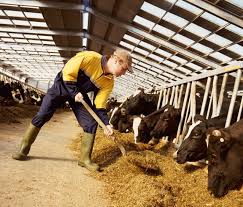
The global compound feed market is set for sustained expansion over the next decade, driven by rising demand for nutritionally balanced feed, precision nutrition technologies, and sustainable livestock production systems. The market, valued at approximately USD 440 billion in 2025, is projected to reach USD 710 billion by 2035, registering a compound annual growth rate (CAGR) of around 5.1 percent during the forecast period.
Compound feed—manufactured using cereals, oilseed meals, additives, and nutritional supplements—has become a cornerstone of modern animal agriculture. It plays a vital role in improving animal health, productivity, and feed efficiency across poultry, ruminants, swine, aquaculture, and pet nutrition segments. The market’s growth is further supported by rising global consumption of meat, dairy, and seafood, along with stricter regulations on antibiotic usage and increasing demand for traceable, high-quality feed solutions.
Market Outlook: 2025–2035
The compound feed industry is expected to witness steady and accelerating growth, with average annual expansion estimated between 4.3 and 4.5 percent over the next decade. This momentum is underpinned by growing investments in functional feed additives, AI-enabled feed optimization, and alternative protein sources, particularly in Asia-Pacific, North America, and Europe.
Key Growth Drivers
Several structural trends are reshaping the global compound feed landscape. These include the rapid expansion of poultry and aquaculture production, increasing adoption of antibiotic-free and organic feed formulations, and the integration of precision feeding technologies that minimize nutrient loss and feed wastage. Additionally, rising pet ownership and “pet humanization” trends are driving demand for premium, high-protein, and specialized feed products.
Digital transformation is also playing a pivotal role, with artificial intelligence, blockchain-based traceability, and smart feeding systems improving feed formulation accuracy, compliance, and operational efficiency across large-scale livestock operations.
Sustainability and Feed Innovation
Sustainability has emerged as a defining theme in feed manufacturing. Producers are increasingly incorporating alternative protein sources such as insect meal and algae, alongside plant-based and non-GMO ingredients to reduce environmental impact. Carbon-neutral production practices and circular feed models are gaining traction, supported by government policies aimed at improving animal welfare and reducing antibiotic dependency.
Segment Highlights
By ingredient type, cereals continue to dominate the market, accounting for more than 40 percent of total feed formulations due to their cost efficiency, digestibility, and widespread availability. Oilseed meals, particularly soybean meal, follow closely, driven by the need for high-protein diets in poultry and aquaculture.
By livestock category, poultry remains the largest consumer of compound feed, supported by short production cycles, efficient feed conversion, and rising global demand for poultry meat and eggs. Ruminants represent the second-largest segment, reflecting sustained demand for dairy and beef products.
Regional Growth Trends
North America and Asia-Pacific remain key growth regions. The United States continues to benefit from advanced precision feeding systems and strong regulatory frameworks, while China maintains its position as the world’s largest compound feed consumer, driven by industrial-scale livestock and aquaculture production. Europe’s growth is shaped by sustainability and animal welfare regulations, while markets such as Japan, South Korea, Australia, and New Zealand are focusing on efficiency, traceability, and premium feed formulations.
Competitive Landscape
The global compound feed market is moderately consolidated, with major players investing heavily in research and development, alternative proteins, probiotics, enzymes, and digital nutrition platforms. Leading companies continue to strengthen their positions through innovation, supply chain integration, and sustainability-focused strategies.
Outlook Ahead
Despite challenges such as raw material price volatility, regulatory scrutiny, and climate-related supply risks, the long-term outlook for the compound feed market remains positive. Between 2025 and 2035, the sector is expected to move decisively toward AI-driven nutrition planning, functional feed solutions, and low-carbon production models.
As demand for high-quality animal protein continues to rise globally, compound feed will remain a strategic pillar of modern agriculture, supporting productivity, food security, and sustainable livestock systems worldwide.


 By
By











