

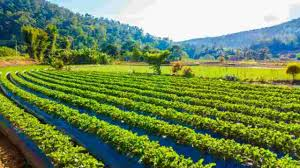
India is strengthening its push toward sustainable agriculture as the state of Rajasthan expands natural farming programs aimed at improving soil health, reducing input costs, and increasing farmer incomes. The initiative forms part of broader national and state-level efforts to promote environmentally friendly farming practices while enhancing long-term productivity.
Rajasthan’s agriculture department has stepped up support for natural farming by encouraging reduced use of chemical fertilizers and pesticides and greater reliance on locally available organic inputs. These practices include the use of natural formulations made from cow dung, cow urine, plant extracts, and microbial solutions designed to restore soil fertility and biological activity.
Officials say the program is being expanded across multiple districts, with a focus on training farmers, establishing demonstration plots, and providing technical guidance. Special attention is being given to water-scarce regions, where natural farming techniques such as mulching and improved soil structure can help conserve moisture and enhance crop resilience.
One of the key objectives of the initiative is to lower cultivation costs. Rising prices of fertilizers, chemicals, and fuel have placed financial pressure on farmers, particularly small and marginal producers. By reducing dependence on purchased inputs, natural farming is expected to improve net farm incomes while limiting exposure to market price volatility.
The state government is also integrating natural farming into existing sustainability and climate-resilience programs. Officials note that healthier soils with higher organic matter can better withstand droughts and extreme weather, which are growing concerns in Rajasthan’s arid and semi-arid regions.
Farmer response has been mixed but gradually improving as early adopters report better soil condition and stable yields over time. Authorities emphasize that natural farming is a long-term transition and results may vary depending on crops, soil types, and management practices.
Agricultural experts view Rajasthan’s expanded support as part of a wider shift in Indian agriculture toward sustainable production systems. If adoption continues to scale up, natural farming could play a meaningful role in improving farm profitability, environmental health, and food system resilience across the region.


 By
By











