

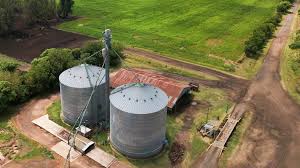
Farmers across Argentina’s key agricultural heartland, the Pampas region, are showing cautious optimism following recent rainfall that brought temporary relief after an exceptionally dry and hot January. The showers, delivering up to 25 millimetres of precipitation in some areas, helped stabilise soil moisture and eased immediate stress on corn and soybean crops. However, agronomists and growers warn that the relief may be short-lived, as much of the region still requires sustained rainfall to prevent significant yield losses.
January’s prolonged heatwave and lack of rain severely impacted crop development during critical growth stages. Corn and soybeans, Argentina’s two most important export crops, were particularly affected as high temperatures accelerated evapotranspiration and depleted soil moisture reserves. In many fields, plants showed signs of stress, including reduced leaf growth and poor pod and kernel formation.
While the recent rains improved short-term conditions, large parts of the Pampas remain vulnerable. Agricultural consultants estimate that without consistent precipitation through February, yield losses could reach as high as 30 percent for both corn and soybeans. Late-planted crops are especially at risk, as they depend heavily on February rainfall to complete grain filling.
Farmers note that rainfall distribution has been uneven, with some districts receiving meaningful moisture while others saw only light showers. As a result, crop prospects vary widely even within the same province. In areas that missed the rains, damage may already be irreversible, particularly for early-planted corn that has passed its most sensitive stages.
The uncertainty surrounding February weather forecasts continues to weigh on market sentiment. Meteorologists suggest that while additional rain systems are possible, they are unlikely to be widespread or consistent enough to fully reverse the damage caused earlier in the season. This has left farmers hesitant to revise production expectations upward.
Argentina is one of the world’s leading exporters of soybean meal, soybean oil, and corn, and any significant decline in output could have implications for global grain and oilseed markets. Reduced harvest volumes may also impact farm incomes and government export revenues, which are closely tied to agricultural performance.
For now, producers remain watchful, hoping that follow-up rains arrive in time to stabilise yields. While the recent precipitation has prevented the worst-case scenario in some regions, the 2025–26 harvest outlook remains fragile. Much will depend on weather conditions over the coming weeks, as farmers balance renewed hope with the reality that drought risks have not yet fully passed.


 By
By











