

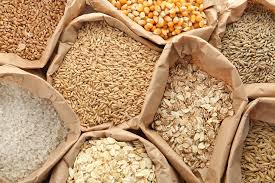
Global grain markets are entering the 2025–26 season with unusually comfortable supply conditions, as projections indicate that stock-to-use ratios are set to reach historic highs. According to recent market briefs and industry assessments, the global grain stock-to-use ratio is expected to climb to around 31.8 percent, reflecting abundant inventories driven by strong production in key exporting countries.
The elevated stock levels are largely attributed to robust wheat harvests across major exporters, including the United States, Russia, the European Union and Australia. Favourable weather conditions, improved seed varieties and better farm management practices have contributed to higher yields, resulting in surplus availability in international markets. At the same time, ample maize output, particularly from the U.S., Brazil and Argentina, has further strengthened global grain supplies.
With production outpacing consumption growth, inventories have continued to build, pushing stock levels well above historical averages. Analysts note that global demand for grains has remained relatively steady, with only moderate increases from feed, food and industrial uses. This imbalance between supply and demand has reinforced a broadly bearish tone in commodity markets.
While a high stock-to-use ratio is generally seen as positive from a food security perspective, it also has significant implications for prices. Elevated inventories act as a buffer against supply shocks, reducing the risk of sudden shortages. However, they also tend to cap price rallies and suppress futures markets, as buyers feel less urgency to secure supplies and sellers face intense competition.
Market participants say the current supply backdrop has contributed to depressed grain prices and increased volatility. Futures markets have shown limited upside potential, with prices reacting sharply to even minor changes in weather forecasts, policy signals or export demand. In such an environment, sentiment can shift quickly, despite the overall abundance of stocks.
For farmers, persistently high inventories pose challenges in terms of profitability, especially as input costs remain elevated in many regions. Lower prices can squeeze margins, prompting growers to reassess planting decisions for the next season. Some analysts suggest that acreage adjustments, particularly for maize and wheat, could emerge if price pressure continues.
Looking ahead, the sustainability of high global stock levels will depend on several factors, including weather conditions in the next crop cycle, shifts in trade policies, and changes in demand from biofuels and livestock sectors. For now, the projected stock-to-use ratio of nearly 32 percent points to a well-supplied global grain market, offering stability for consumers but ongoing price headwinds for producers and traders.


 By
By











