

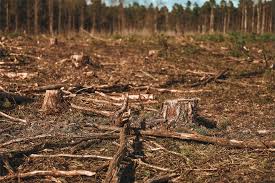
A recent commentary in conservation policy circles has cautioned that compliance costs linked to the European Union’s deforestation framework could undermine its intended environmental impact, particularly for smallholders and exporters in developing economies.
The regulation, formally known as the European Union Deforestation Regulation (EUDR), requires companies placing certain commodities on the EU market — including soy, palm oil, cocoa, coffee, beef, and timber — to demonstrate that their products are not associated with deforestation after a specified cut-off date. Firms must conduct due diligence, ensure traceability to plot-level origin, and submit risk assessments prior to market entry.
While environmental advocates argue that the measure represents a landmark step in curbing forest loss linked to global trade, critics warn that the administrative and technological requirements may generate substantial compliance costs. These include satellite monitoring, geolocation data collection, third-party audits, and enhanced supply chain verification systems.
Analysts suggest that large multinational companies may be better positioned to absorb these costs, whereas small and medium-sized enterprises — particularly in Africa, Latin America, and Southeast Asia — could face barriers to accessing the EU market. There are concerns that smaller producers may be excluded from high-value supply chains if they cannot meet documentation and traceability standards.
The commentary further argues that if compliance becomes overly burdensome, trade flows may shift toward markets with less stringent environmental requirements, potentially diluting the regulation’s global conservation impact. In such scenarios, deforestation risks could persist rather than decline, merely being redirected geographically.
Supporters of the regulation maintain that strong enforcement and technical assistance programs can mitigate inequities and enhance transparency across supply chains. They emphasize that effective implementation, rather than regulatory ambition alone, will determine whether the policy achieves measurable reductions in forest loss.
As implementation timelines approach, the debate highlights a central policy challenge: designing environmental trade rules that are both rigorous and economically inclusive.


 By
By











