The United Nations has taken a major step toward improving global agricultural data systems. The United Nations Statistical Commission has officially approved new international guidelines for the World Programme for the Census of Agriculture 2030, a global initiative designed to strengthen farm data collection and support better agricultural policymaking.
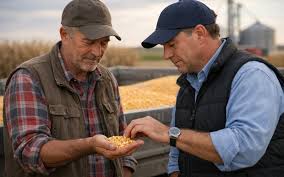
The programme, coordinated by the Food and Agriculture Organization (FAO), provides a standardized framework that countries can follow when conducting national agricultural censuses. These censuses collect detailed information about farms, land use, livestock, irrigation, labor, and agricultural practices.
According to FAO officials, the updated guidelines will help countries gather more accurate, consistent, and comparable agricultural data. This will allow governments to better understand changes in farming systems, rural livelihoods, and food production trends.
The Census of Agriculture 2030 will also place stronger emphasis on modern data collection techniques, including digital surveys, geospatial data, and improved data integration. These innovations are expected to make agricultural statistics more reliable and easier to analyze.
Experts say high-quality agricultural data is essential for addressing many of today’s global challenges, including food security, climate change adaptation, sustainable farming, and rural development. Reliable farm-level information helps policymakers design targeted support programs for farmers and improve agricultural productivity.
Another key objective of the programme is to help countries monitor progress toward the United Nations Sustainable Development Goals (SDGs), particularly those related to poverty reduction, food security, and sustainable land use.
FAO encouraged all member countries to begin preparations for implementing the new guidelines as part of their upcoming agricultural census cycles. Many nations are expected to conduct their agricultural census between 2026 and 2035 under the updated framework.
Agricultural experts believe the new standards will strengthen global agricultural statistics, support evidence-based policymaking, and improve international cooperation in the agriculture sector.

 By