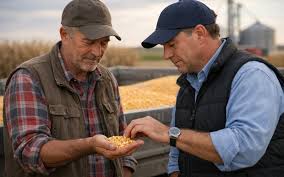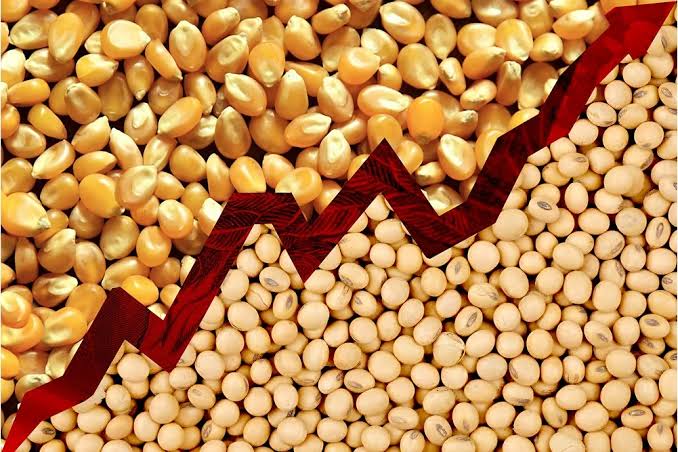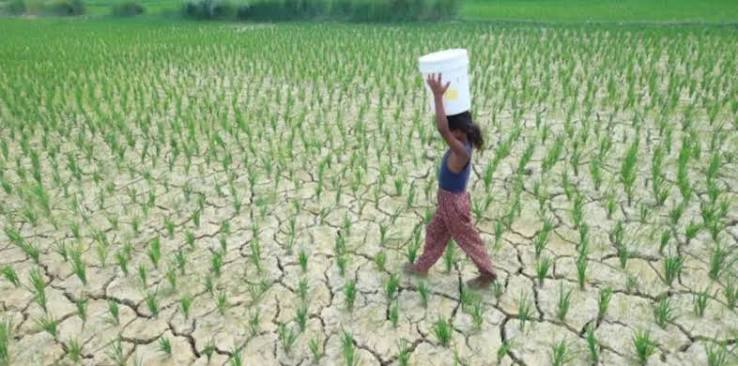
American farmers are sounding the alarm over intensifying economic pressures as rising input costs and heightened global competition challenge the profitability of traditional cropping systems. Industry analysts report that producers across key agricultural states are reassessing their crop choices, with some considering shifting acreage away from corn toward alternatives that offer more stable margins.
Fertilizer, fuel, seed, and machinery expenses have climbed steadily over the past several seasons, eroding the financial cushion for growers already coping with volatile grain prices. For corn producers in particular, high nitrogen fertilizer costs continue to strain budgets, making crops such as soybeans, sorghum, and wheat comparatively more attractive in certain regions.
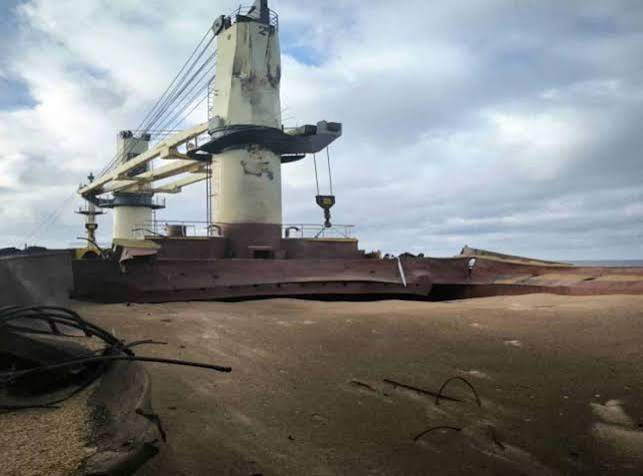
At the same time, global competition is reshaping market dynamics. Strong harvests in Brazil, expanding production in Eastern Europe, and fluctuating export demand have created additional headwinds for U.S. growers. With international suppliers offering competitively priced grain, American farmers are finding it increasingly difficult to maintain market share in key export destinations.
Agricultural economists note that the combined effect of higher costs and shifting global supply has narrowed profit margins to the point that crop rotation decisions for the upcoming season are receiving unprecedented scrutiny. Some farmers are also exploring lower-input cropping systems or investing in precision technologies to reduce fertilizer and fuel usage.
Despite the challenges, experts emphasize that the U.S. agricultural sector remains resilient, supported by advanced infrastructure, strong domestic demand, and ongoing innovations in farm management. However, they caution that unless input prices stabilize and export competitiveness improves, more producers may be forced to diversify away from corn in the near term.
With planting season approaching, the decisions farmers make now will be critical in shaping U.S. crop output, market balance, and producer profitability in the year ahead.


 By