

The ongoing conflict in the Middle East is emerging as a major disruptor of global agriculture, triggering sharp rises in fertiliser, fuel and freight costs and intensifying concerns over food security. As geopolitical tensions persist, key supply chains that support the world’s farming systems are experiencing significant strain, prompting warnings from agri-economic analysts about potential long-term implications for both producers and consumers.
At the centre of the disruption is the rapid escalation in global crude oil and natural gas prices, driven by market fears of supply shortages. Energy commodities are not only essential for transportation; they also serve as critical feedstocks for fertiliser production. Nitrogen-based fertilisers, in particular, rely heavily on natural gas. As a result, rising fuel prices are directly inflating fertiliser manufacturing costs. Industry stakeholders report that wholesale fertiliser prices have already seen sharp weekly increases, with some markets bracing for further hikes if tensions intensify.
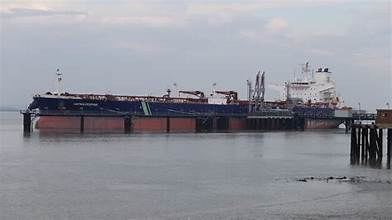
The conflict has also destabilised major maritime routes. Key shipping lanes near the Middle East—especially those connecting Europe, Africa and Asia—have witnessed congestion, delays and insurance surcharges due to heightened security risks. Vessels carrying bulk fertilisers, grains and oilseeds are encountering longer transit times, exacerbating supply bottlenecks. Freight operators note that rerouting ships to avoid high-risk zones is becoming common, adding additional time and cost to global logistics.
For developing countries that depend heavily on imported fertilisers and food commodities, these disruptions pose a particularly serious threat. Nations in Africa, South Asia and parts of Latin America—already grappling with currency pressures and high inflation—may find it increasingly difficult to secure timely and affordable supplies. Agriculture ministries in several countries have warned that higher input prices could reduce fertiliser application rates by farmers, ultimately affecting yields for major crops such as wheat, rice, maize and oilseeds.
In the global market, traders and food industry experts fear that rising production costs across the farming sector will inevitably translate into higher retail food prices. Inflation in essential food categories had only recently shown signs of stabilisation, but escalating input costs risk reversing that trend. Early forecasts indicate that price volatility may intensify through the second half of 2026 unless stability returns to energy and shipping markets.
International organisations are urging coordinated policy action. The FAO and World Food Programme have cautioned that prolonged supply disruptions could deepen existing vulnerabilities in food-import-dependent countries. They recommend strategic stockpiling, diversification of supply sources and emergency logistic support to ensure smoother movement of essential agri-inputs.
Meanwhile, fertiliser companies and commodity analysts are monitoring the situation closely. Some producers are exploring temporary production cuts due to rising energy costs, while others are researching alternative feedstocks and renewable-based fertiliser technologies to reduce dependence on geopolitically sensitive energy inputs.
As the Middle East conflict continues, its ripple effects are reshaping global agriculture and food supply dynamics. The world’s food systems, already under pressure from climate variability and economic uncertainties, now face an additional stress factor that could push vulnerable populations closer to hunger if corrective measures are not swiftly implemented.


 By
By











